commercial construction waste removal

How Commercial Construction Waste Removal Improves Site Productivity

Commercial construction projects rely on efficiency, organization, and proper planning. Even small delays can increase labor costs and affect project timelines. One major factor that impacts productivity is waste management.

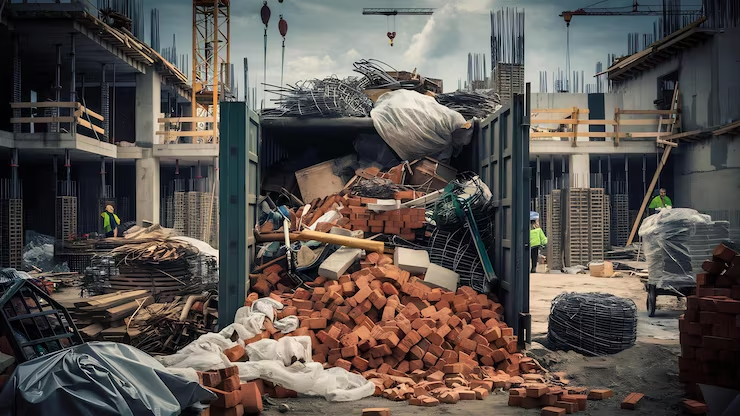
Construction debris can quickly pile up on commercial job sites. Materials like wood scraps, drywall pieces, concrete, metal, and packaging waste create clutter that slows operations. Professional commercial construction waste removal helps builders maintain cleaner and more organized work environments.

Best Super Cleaning provides reliable construction cleanup services that help commercial builders improve workflow, reduce delays, and maintain safer job sites.

How Construction Waste Reduces Productivity

Construction waste creates obstacles that interfere with daily operations. Workers often lose time moving around debris or clearing work areas before starting tasks.

Cluttered sites also make it difficult to transport materials and operate equipment safely. These small interruptions reduce efficiency throughout the day and can delay project completion.

Commercial construction waste removal helps eliminate these issues by keeping work zones clean and functional.

Improves Workflow on Commercial Sites

A clean construction site allows crews to work more efficiently. Contractors and subcontractors can move freely between work areas without unnecessary delays.

When debris is removed regularly, materials remain accessible and equipment can operate safely. This creates a smoother workflow for every stage of the project.

Professional debris removal services also help multiple crews work simultaneously without interference from accumulated waste.

Creates Safer Working Conditions

Safety plays a major role in maintaining productivity. Construction debris can create trip hazards, blocked pathways, and dangerous work environments.

Accidents often lead to downtime, medical costs, and project delays. Injuries can also affect employee morale and reduce operational efficiency.

Commercial construction waste removal helps maintain safer conditions by keeping debris under control and reducing workplace hazards.

Helps Complete Projects Faster

Time management is essential in commercial construction. Delays caused by excessive debris can affect deadlines and increase operational costs.

Builders searching for construction debris removal near me often need fast cleanup solutions to keep projects moving on schedule.

Regular debris removal keeps loading zones clear and workspaces organized. This allows crews to move efficiently from one phase of construction to the next.

Reduces Labor Costs

Many construction workers lose valuable time handling waste instead of focusing on skilled tasks. This reduces productivity and increases labor expenses.

Hiring a professional debris removal contractor allows crews to focus entirely on construction responsibilities.

This improves labor efficiency and helps contractors reduce unnecessary overtime costs.

Improves Equipment Accessibility

Commercial construction projects depend on heavy equipment and material deliveries. Excess debris can block pathways and create operational delays.

Professional commercial construction waste removal helps maintain clear access routes for machinery and delivery vehicles.

Better accessibility reduces downtime and supports smoother daily operations across the job site.

Maintains a Professional Appearance

A clean and organized construction site reflects professionalism. Clients, inspectors, and project managers often evaluate job sites throughout the construction process.

Cluttered environments can create a negative impression and raise concerns about site management.

Professional debris removal services help builders maintain cleaner worksites that reflect strong operational standards.

Supports Environmentally Responsible Disposal

Modern construction projects increasingly focus on sustainable practices. Proper waste management helps reduce landfill waste and supports recycling efforts.

A professional debris removal contractor understands how to sort and dispose of materials responsibly.

This helps commercial builders meet environmental goals while maintaining compliance with local regulations.

Provides Long-Term Cost Savings

Poor waste management can lead to hidden project costs. Delays, accidents, damaged materials, and inefficient labor usage all affect profitability.

Commercial construction waste removal helps prevent these issues before they impact the project.

Regular cleanup services improve organization, reduce downtime, and support more efficient operations over the long term.

Choosing the Right Debris Removal Contractor

Choosing the right debris removal contractor is important for maintaining productivity on commercial projects.

Builders should look for experienced providers that offer reliable scheduling, fast response times, and proper waste handling practices.

Best Super Cleaning offers professional cleanup and debris removal solutions designed to support commercial construction efficiency and safety.

Conclusion

Commercial construction waste removal plays an important role in improving site productivity and reducing project costs. Clean and organized work environments help crews work faster, safer, and more efficiently.

Professional debris removal services support better workflow, reduce labor waste, and help commercial builders maintain project schedules. Working with an experienced debris removal contractor allows construction teams to focus on completing projects without unnecessary disruptions caused by debris accumulation.

If you are looking for reliable commercial construction cleanup services, contact Best Super Cleaning today to keep your construction site clean, organized, and running efficiently.

Frequently Asked Questions

Commercial construction waste removal involves collecting and disposing of debris generated during commercial construction and renovation projects.

Construction debris removal improves productivity, maintains safety, and helps commercial projects stay organized and on schedule.

Professional cleanup services allow workers to focus on skilled tasks instead of spending time handling waste materials.

The frequency depends on the size and pace of the project. Many commercial sites require regular daily or weekly cleanup services.

Look for experienced companies that offer dependable scheduling, proper equipment, and professional waste disposal services.

A debris removal contractor can remove wood, drywall, concrete, metal, insulation, roofing materials, and general construction debris.

construction trash hauling

Best Practices for Construction Trash Hauling on Large Projects

Large construction projects generate massive amounts of debris every day. From drywall scras and lumber to concrete, packaging, and metal waste, unmanaged debris can quickly create safety hazards, project delays, and higher operating costs. That is why effective construction trash hauling is essential for commercial contractors managing large-scale developments.

An organized waste handling strategy helps crews stay productive, keeps job sites compliant with regulations, and improves overall project efficiency. Whether you are managing a commercial build, industrial renovation, or multi-phase development, implementing the right hauling practices can make a major difference.

In this guide, we will cover the best practices for construction trash hauling on large projects and explain how professional junk removal solutions can support smoother operations from start to finish.

Why Construction Trash Hauling Matters on Large Projects

Construction sites produce significant volumes of waste throughout every stage of development. Without a structured hauling plan, debris can pile up quickly and interfere with daily operations.

Efficient construction trash hauling provides several important benefits:

  • Improves job site safety

  • Reduces trip and fire hazards

  • Keeps work areas organized

  • Supports OSHA compliance

  • Prevents workflow interruptions

  • Helps contractors meet project deadlines

  • Enhances environmental responsibility

Large commercial projects often involve multiple subcontractors working simultaneously. When debris is not removed consistently, productivity suffers. Workers spend more time navigating cluttered spaces instead of completing tasks efficiently.

Professional hauling services help contractors maintain clean, organized, and operational job sites at every stage of construction.

Create a Waste Management Plan Before Construction Begins

One of the most effective strategies for large-scale construction trash hauling is developing a detailed waste management plan before the project starts.

Your plan should include:

  • Types of expected construction debris

  • Estimated waste volume

  • Designated disposal zones

  • Hauling schedules

  • Recycling procedures

  • Safety protocols

  • Responsibilities for subcontractors

Planning ahead allows contractors to anticipate disposal needs and avoid costly disruptions later in the project.

For example, demolition phases often generate heavier materials such as concrete and metal, while finishing phases produce packaging and lightweight debris. Understanding these waste patterns helps teams schedule hauling services more efficiently.

A proactive waste management strategy also helps control project costs and prevents overflowing dumpsters or emergency pickups.

Schedule Regular Debris Removal

Waiting until debris piles up can create unnecessary risks and delays. Regular hauling schedules are critical for maintaining an efficient work environment.

Construction debris should be removed consistently throughout the project instead of only at the end. Daily or weekly hauling schedules are often ideal for large commercial builds.

Benefits of regular debris removal include:

  • Safer walkways and work zones

  • Better equipment accessibility

  • Faster workflow

  • Reduced liability risks

  • Improved subcontractor coordination

Consistent construction trash hauling also minimizes the chances of materials being damaged or mixed with hazardous waste.

Contractors who partner with experienced hauling providers can customize pickup frequencies based on project size and waste output.

Separate Materials for Recycling and Disposal

Sorting construction debris is one of the best ways to improve efficiency and sustainability on large projects.

Different materials should be separated into designated containers, including:

  • Wood

  • Metal

  • Concrete

  • Cardboard

  • Plastic

  • Drywall

  • General waste

Proper sorting reduces landfill waste and supports environmentally responsible construction practices.

Many commercial contractors now prioritize sustainable waste management because it can help meet green building standards and local environmental regulations.

Professional junk removal solutions often include recycling support, making it easier to divert reusable materials from landfills.

In addition, separating materials can lower disposal costs because recyclable items may qualify for reduced processing fees.

Use the Right Containers and Equipment

Large projects require appropriate waste containers and hauling equipment to handle debris efficiently.

Choosing the wrong dumpster size can create operational issues such as overflow, blocked access points, or unnecessary hauling expenses.

Common container options include:

Roll-Off Dumpsters

Ideal for heavy debris such as concrete, roofing materials, and demolition waste.

Front-Load Dumpsters

Suitable for ongoing waste collection during active construction phases.

Compactors

Helpful for reducing the volume of lightweight waste materials like cardboard and packaging.

The right equipment depends on project size, debris type, and hauling frequency.

An experienced construction trash hauling provider can recommend the best container setup for your site layout and waste volume.

Prioritize Job Site Safety

Safety should always remain a top priority during construction debris handling.

Improper waste disposal creates serious hazards, including:

  • Slips and falls

  • Sharp object injuries

  • Fire hazards

  • Equipment accidents

  • Blocked emergency exits

To improve safety:

  • Keep debris away from active work zones

  • Clearly label disposal containers

  • Train workers on waste handling procedures

  • Remove hazardous materials immediately

  • Maintain clear access routes

Consistent construction trash hauling helps crews work more safely and efficiently throughout the project lifecycle.

Contractors who maintain cleaner sites also create a more professional impression for clients, inspectors, and project stakeholders.

Partner With a Professional Hauling Company

Managing debris removal internally can become overwhelming on large projects. Partnering with a professional hauling company simplifies waste management and improves operational efficiency.

Experienced providers understand:

  • Construction site logistics

  • Local disposal regulations

  • Recycling requirements

  • Safe debris handling practices

  • Scheduling coordination

Professional junk removal solutions help contractors avoid costly mistakes while maintaining compliance with local waste disposal laws.

Reliable hauling companies also offer flexible scheduling options to accommodate changing project demands.

When searching for construction junk removal near me, contractors should look for companies with experience handling commercial-scale construction debris.

Key qualities to consider include:

  • Fast response times

  • Proper licensing and insurance

  • Large equipment capacity

  • Recycling capabilities

  • Transparent pricing

  • Commercial project experience

Working with the right hauling partner allows contractors to focus on construction progress instead of waste management challenges.

Monitor Waste Volume Throughout the Project

Waste output often changes during different construction phases. Monitoring debris volume helps contractors adjust hauling schedules and container capacity as needed.

Tracking waste generation can help:

  • Prevent overflow issues

  • Reduce unnecessary pickups

  • Improve budgeting accuracy

  • Optimize labor efficiency

For example, demolition phases may require more frequent hauling, while finishing stages may generate lighter packaging waste.

Reviewing hauling performance regularly ensures your waste management strategy remains efficient throughout the project timeline.

Stay Compliant With Local Regulations

Construction waste disposal regulations vary by location and project type. Failing to comply with local requirements can result in fines, delays, or legal issues.

Contractors should understand regulations involving:

  • Hazardous material disposal

  • Recycling mandates

  • Dumpster placement

  • Transportation permits

  • Environmental protection standards

Professional construction trash hauling providers are familiar with local regulations and help ensure proper disposal procedures are followed.

This reduces compliance risks and protects contractors from unnecessary penalties.

Improve Efficiency With Centralized Disposal Areas

Large construction sites benefit from designated waste collection zones.

Instead of allowing debris to accumulate throughout the property, centralized disposal areas help maintain organization and simplify hauling operations.

Benefits include:

  • Faster cleanup processes

  • Easier access for hauling trucks

  • Better material separation

  • Reduced worker travel time

  • Improved site organization

Clearly marked disposal stations also encourage workers to follow proper waste handling procedures.

Efficient site organization contributes directly to smoother project execution and fewer delays.

Invest in Sustainable Waste Practices

Sustainability has become increasingly important in commercial construction.

Many clients and developers now expect contractors to reduce landfill waste and implement environmentally responsible practices.

Sustainable construction trash hauling strategies may include:

  • Recycling concrete and metal

  • Reusing salvageable materials

  • Donating unused supplies

  • Reducing packaging waste

  • Partnering with eco-conscious hauling providers

These efforts not only support environmental goals but can also improve a contractor’s reputation and competitiveness in the industry.

Conclusion

Effective construction trash hauling is essential for maintaining safety, productivity, and efficiency on large commercial projects. Without a structured waste management strategy, debris can quickly disrupt workflows, create hazards, and increase project costs.

Commercial contractors who implement regular hauling schedules, proper material separation, centralized disposal zones, and professional junk removal solutions can keep projects running smoothly from start to finish.

Partnering with experienced hauling professionals also helps contractors maintain compliance, improve sustainability efforts, and reduce operational stress.

For large-scale construction projects, organized debris removal is not just a cleanup task. It is a critical part of successful project management.

If you are looking for reliable construction trash hauling services for your next commercial project, contact Best Super Cleaning today for efficient and professional waste removal solutions.

Frequently Asked Questions

Construction trash hauling involves the collection, transportation, and disposal of debris generated during construction, demolition, or renovation projects.

It helps maintain job site safety, improves efficiency, reduces delays, and ensures compliance with local waste disposal regulations.

Large construction sites often benefit from daily or weekly debris removal schedules depending on waste volume and project phases.

Common recyclable materials include wood, concrete, metal, cardboard, drywall, and certain plastics.

Look for companies with commercial project experience, proper licensing, flexible scheduling, recycling capabilities, and reliable customer service.

Local hauling providers can often offer faster response times, better scheduling flexibility, and knowledge of regional disposal regulations.

How Construction Junk Removal Keeps Projects Running Efficiently

Construction projects involve constant movement, coordination, and progress. Whether it is a new commercial building, a residential renovation, or a large-scale remodeling project, every phase generates debris and waste. Materials such as wood scraps, drywall pieces, packaging, concrete fragments, metal offcuts, and other discarded items can quickly accumulate across the job site.

Without a structured cleanup process, clutter can interfere with workflow, create safety hazards, and slow project timelines. This is why professional junk removal services play an important role in maintaining productive construction environments. By handling waste efficiently, these services help contractors, builders, and remodelers keep projects organized and on schedule.

This article explores how construction junk removal contributes to site organization, workforce productivity, safety, and overall project efficiency.

The Growing Challenge of Construction Waste

Construction sites generate substantial amounts of waste throughout every stage of a project. Demolition work, framing, roofing, flooring installation, drywall work, and finishing activities all contribute to debris accumulation.

As waste piles increase, crews may face challenges such as:

  • Limited workspace
  • Reduced accessibility to materials and tools
  • Increased risk of accidents
  • Delays caused by repeated cleanup efforts
  • Difficulties meeting project deadlines

Construction garbage removal provides a practical solution by ensuring waste is removed regularly rather than allowing debris to build up throughout the project.

Why Site Organization Matters

Organization is one of the most important factors in construction productivity. Workers perform better when they have a clean, accessible environment that allows them to focus on their tasks.

When debris is scattered throughout a site, employees spend additional time navigating obstacles, moving waste out of the way, and searching for equipment. These small delays can add up significantly over the course of a project.

Professional junk removal services help maintain organized work areas by removing unwanted materials before they become a problem. A cleaner site allows crews to move efficiently between tasks and reduces unnecessary interruptions.

Improving Productivity Through Cleaner Workspaces

Productivity is directly connected to the condition of the job site. Construction teams work most efficiently when they have sufficient space to perform their duties safely and effectively.

Construction junk removal supports productivity in several ways:

First, workers can focus on their specialized tasks instead of spending valuable labor hours hauling debris.

Second, equipment and materials remain easier to locate, reducing downtime caused by disorganization.

Third, clean work zones allow multiple trades to operate simultaneously without interference from excessive waste.

By outsourcing waste removal to professionals, contractors can allocate labor resources toward activities that directly contribute to project completion.

Enhancing Job Site Safety

Safety remains a top priority on every construction project. Debris accumulation can create numerous hazards that place workers, visitors, and subcontractors at risk.

Common safety concerns associated with unmanaged construction waste include:

  • Tripping hazards from scattered materials
  • Sharp objects such as nails, screws, and metal fragments
  • Blocked walkways and emergency exits
  • Fire risks from combustible waste materials
  • Reduced visibility around work zones

Routine construction garbage removal helps eliminate these hazards before they lead to accidents. A cleaner environment contributes to better compliance with safety standards and reduces the likelihood of workplace injuries.

When workers feel safe and can move freely throughout the site, overall efficiency naturally improves.

Supporting Faster Project Timelines

Meeting deadlines is critical in the construction industry. Delays can increase labor costs, affect subcontractor scheduling, and impact client satisfaction.

One overlooked cause of project slowdowns is waste accumulation. As debris builds up, crews often need to pause productive work to clear pathways or create additional space.

Professional junk removal services help prevent these interruptions by maintaining consistent waste management throughout the project lifecycle.

Regular removal schedules ensure debris never reaches levels that interfere with daily operations. As a result, construction teams can maintain momentum and stay focused on meeting key milestones.

Better Material Handling and Storage

Construction sites often contain large quantities of materials waiting to be installed. These materials require proper storage and protection to prevent damage and waste.

Excess debris can make storage areas difficult to access and increase the likelihood of misplaced or damaged materials.

Construction junk removal creates more usable space for organized material storage. With clearly designated areas, crews can quickly access the supplies they need and reduce delays associated with searching for materials.

Improved organization also minimizes the risk of accidental damage, helping contractors avoid unnecessary replacement costs.

Reducing Labor Costs

Many contractors underestimate the amount of labor devoted to site cleanup. Skilled workers are often required to spend time collecting, transporting, and disposing of waste when no dedicated removal solution is in place.

Every hour spent managing debris is an hour not spent on construction activities.

Junk removal services provide a cost-effective alternative by allowing trained crews to handle waste management tasks. This approach helps construction companies maximize labor efficiency while ensuring waste is removed promptly and professionally.

Over time, improved labor allocation can contribute to substantial cost savings.

Managing Large Volumes of Debris

Some projects generate waste at a much higher rate than others. Demolition work, major renovations, and commercial construction projects often produce significant amounts of debris daily.

Without proper planning, waste can quickly overwhelm available space.

Construction junk removal companies have the equipment, vehicles, and manpower necessary to handle large volumes of material. They can remove debris efficiently and ensure waste is transported to appropriate disposal or recycling facilities.

This capability allows construction teams to maintain uninterrupted operations even during high-waste phases of a project.

Supporting Environmental Responsibility

Many construction companies are increasingly focused on sustainable building practices. Proper waste management plays an important role in achieving environmental goals.

Professional junk removal services often sort materials for recycling whenever possible. Common recyclable materials include:

  • Metal
  • Wood
  • Concrete
  • Cardboard
  • Certain plastics

Responsible disposal practices help reduce landfill waste and support environmentally conscious construction operations.

Clients also appreciate contractors who demonstrate a commitment to sustainable project management, which can strengthen business reputation and future opportunities.

Improving Client Impressions

Construction sites are often visited by property owners, project managers, architects, inspectors, and investors. The condition of the site can influence their perception of the contractor’s professionalism.

A cluttered site may create concerns about organization, safety, and project management. On the other hand, a clean and orderly workspace demonstrates attention to detail and operational efficiency.

Regular construction garbage removal helps maintain a professional appearance throughout the project. This positive impression can enhance client confidence and contribute to stronger working relationships.

Simplifying Final Project Cleanup

As construction nears completion, final cleanup becomes a critical step before project handover. Excess debris left behind can delay inspections, occupancy approvals, and client acceptance.

Contractors who maintain ongoing junk removal throughout the project typically experience a smoother final cleanup process.

Instead of facing massive waste accumulation at the end of the job, crews can focus on finishing touches, detailed cleaning, and punch list items. This streamlined approach helps ensure projects are delivered on time and in excellent condition.

Choosing the Right Junk Removal Partner

Not all waste management providers offer the same level of service. Construction companies should look for junk removal services that understand the unique demands of active job sites.

Key considerations include:

  • Experience with construction debris
  • Flexible scheduling options
  • Prompt response times
  • Proper disposal and recycling practices
  • Ability to handle large-scale projects
  • Reliable equipment and transportation resources

Selecting the right provider can significantly improve project efficiency while reducing the burden on construction teams.

Conclusion

Construction projects operate most effectively when job sites remain clean, organized, and safe. Accumulated debris can slow productivity, increase safety risks, create scheduling challenges, and raise overall project costs. Professional junk removal services help eliminate these obstacles by providing consistent waste management throughout every phase of construction.

From improving site organization and worker efficiency to supporting safety compliance and environmental responsibility, construction junk removal delivers measurable benefits for contractors and remodelers. By investing in reliable construction garbage removal solutions, construction companies can maintain smoother operations, meet deadlines more consistently, and create a more productive work environment from start to finish.

Frequently Asked Questions

1. What are junk removal services in construction projects?

Junk removal services involve collecting, transporting, and disposing of construction debris generated during building, renovation, and demolition projects. These services help keep job sites organized and safe.

2. Why is construction junk removal important?

Construction junk removal helps prevent clutter, improve worker productivity, reduce safety hazards, and maintain efficient project workflows throughout the construction process.

3. How often should construction debris be removed?

The frequency depends on project size and waste volume. Many construction sites benefit from scheduled daily, weekly, or phase-based debris removal to maintain organization and productivity.

4. Can construction garbage removal help reduce project costs?

Yes. Professional waste removal allows skilled workers to focus on construction tasks instead of cleanup duties, improving labor efficiency and helping reduce overall project costs.

5. What types of materials are removed during construction junk removal?

Common materials include wood scraps, drywall, concrete, metal, packaging materials, roofing debris, flooring waste, and demolition materials generated during construction activities.

6. Do junk removal services recycle construction materials?

Many providers recycle eligible materials such as metal, wood, cardboard, and concrete whenever possible, helping support environmentally responsible construction practices.

Post Construction Cleanup Service

What Is Included in Professional Post Construction Cleanup Services?

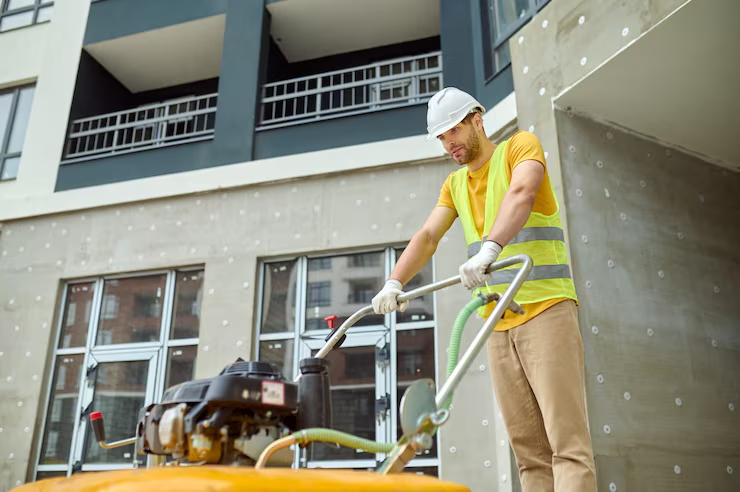
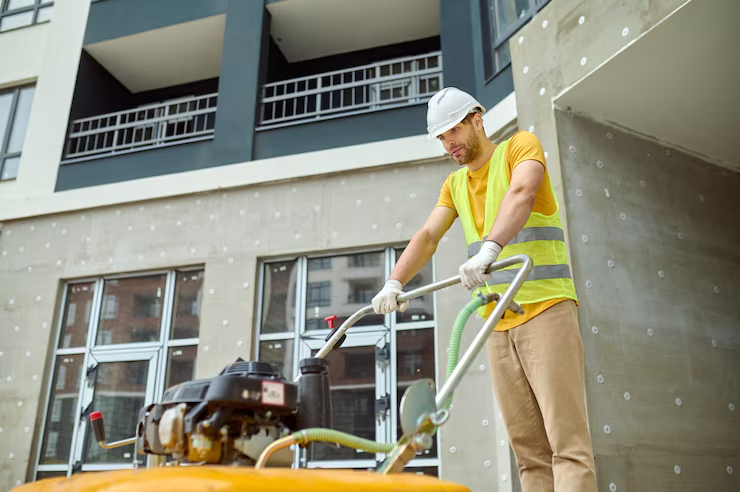
A construction worker wearing a hard hat, gloves, and a reflective vest operates heavy machinery in front of a modern building under construction, preparing the site for post construction cleanup.

Completing a construction or renovation project is a major milestone, but the work is not truly finished until the property is thoroughly cleaned and prepared for occupancy. Construction activities often leave behind dust, debris, residue, and waste materials that can affect the appearance, safety, and functionality of a space. This is why professional post construction cleanup services play such an important role in the final phase of any project.

For builders, contractors, and property managers, delivering a clean and polished property is essential. Whether it is a newly constructed commercial building, a renovated office space, an apartment complex, or a residential property, professional cleaning ensures the site is ready for inspections, walkthroughs, and occupancy.

Understanding the full scope of post construction cleanup helps property professionals appreciate the value of specialized cleaning services and ensures no important cleaning tasks are overlooked.

What Is Post Construction Cleanup?

Post construction cleanup is a specialized cleaning service performed after building, remodeling, renovation, or construction work has been completed. Unlike routine janitorial cleaning, it focuses on removing construction-related debris, eliminating fine dust, and restoring the property’s appearance.

Construction projects generate a significant amount of waste and airborne particles. Even after contractors remove major materials, surfaces throughout the property can remain covered with dust and residue. Professional cleaners use industry-grade equipment and proven cleaning techniques to address these issues thoroughly.

The goal of post construction cleaning is to transform a worksite into a clean, safe, and welcoming environment that is ready for use.

The Importance of Professional Post Construction Cleaning

Many builders and property managers underestimate how much dust and debris remain after construction. Fine particles can settle in hard-to-reach places, including air vents, light fixtures, cabinets, and window tracks. If not properly removed, these contaminants can affect indoor air quality and create an unprofessional appearance.

Professional after construction cleaning helps:

  • Create a safer environment
  • Improve indoor air quality
  • Enhance the appearance of the finished property
  • Prepare spaces for occupancy
  • Support successful inspections and client walkthroughs
  • Protect newly installed surfaces and finishes

A clean property reflects the quality of the construction work and leaves a positive impression on clients, tenants, and property owners.

Removal of Construction Debris

One of the first and most important stages of construction site cleanup is the removal of leftover debris.

Construction sites often contain discarded materials such as drywall scraps, wood pieces, packaging materials, plastic coverings, tape, nails, screws, and other waste. These materials not only make the property look unfinished but can also create safety hazards.

Professional cleaning crews carefully remove and dispose of construction debris to clear the space for detailed cleaning. This process creates a safer environment and allows access to all surfaces that require attention.

Without proper debris removal, the rest of the cleaning process cannot be completed effectively.

Thorough Dust Removal

Dust is one of the biggest challenges associated with post construction cleanup. During construction, dust particles spread throughout the property and settle on virtually every surface.

Drywall sanding, cutting wood, drilling, and other construction activities produce fine particles that can travel far beyond the immediate work area.

Professional cleaners perform extensive dust removal from:

  • Walls and ceilings
  • Baseboards and trim
  • Doors and door frames
  • Shelving and cabinets
  • Window frames and sills
  • Light fixtures
  • Air vents and registers
  • Electrical outlets and switches

Specialized vacuums equipped with high-efficiency filtration systems help capture fine particles and prevent them from becoming airborne again.

Cleaning Floors After Construction

Floors often require extensive attention following construction work. Dirt, dust, adhesive residue, paint splatters, and other materials can accumulate on flooring surfaces throughout the project.

Professional post construction cleaning includes cleaning and restoring all floor types according to their specific requirements.

Hardwood flooring is carefully cleaned to remove dust while protecting the finish.

Tile floors are swept, mopped, and cleaned to remove residue from grout lines and surfaces.

Concrete floors are cleaned to eliminate construction dust and dirt.

Carpeted areas receive detailed vacuuming and, when necessary, deep cleaning to remove embedded particles.

Proper floor cleaning helps showcase the finished appearance of the property and protects flooring investments.

Window and Glass Cleaning

Windows and glass surfaces often collect dust, fingerprints, stickers, paint spots, and adhesive residue during construction.

Professional cleaning teams pay close attention to all glass surfaces to ensure they are spotless and streak-free.

This process typically includes cleaning:

  • Interior windows
  • Exterior windows where accessible
  • Glass doors
  • Mirrors
  • Window frames
  • Window tracks
  • Glass partitions

Clean windows improve natural light, enhance visibility, and contribute significantly to the overall appearance of the property.

Detailed Cleaning of Kitchens and Break Rooms

In commercial and residential properties, kitchens and break rooms require detailed cleaning before they can be used.

Construction dust often settles inside cabinets, drawers, countertops, and appliances. These areas must be cleaned thoroughly to ensure cleanliness and functionality.

Professional after construction cleaning services commonly include:

  • Cleaning inside cabinets and drawers
  • Wiping countertops and backsplashes
  • Cleaning sinks and faucets
  • Removing dust from appliances
  • Sanitizing frequently touched surfaces
  • Cleaning light fixtures and vents

A properly cleaned kitchen area helps ensure the property is ready for immediate use.

Restroom Cleaning and Sanitization

Restrooms are another critical area that requires comprehensive cleaning following construction.

Dust and debris can accumulate on fixtures, partitions, walls, and floors during the building process. Professional cleaners thoroughly clean and sanitize these spaces to prepare them for occupancy.

Typical restroom cleaning services include:

  • Cleaning toilets and urinals
  • Sanitizing sinks and countertops
  • Polishing mirrors
  • Cleaning partitions and doors
  • Dusting vents and fixtures
  • Mopping and disinfecting floors

This level of attention helps create a clean and hygienic environment for future occupants.

Fixture and Surface Detailing

An important part of post construction cleanup involves detailed cleaning of fixtures and finished surfaces.

Even small amounts of dust can diminish the appearance of newly installed features. Professional cleaners carefully wipe, polish, and inspect surfaces throughout the property.

Commonly detailed surfaces include:

  • Door handles
  • Cabinet hardware
  • Handrails
  • Light fixtures
  • Ceiling fans
  • Shelving units
  • Decorative trim
  • Built-in furniture

This final detailing helps highlight the craftsmanship and quality of the completed project.

HVAC Vent and Air Register Cleaning

Construction dust frequently enters HVAC systems during building and renovation projects. Dust accumulation around vents and air registers can affect indoor air quality after occupancy.

Professional post construction cleaning services often include cleaning visible dust from:

  • Air vents
  • Return grilles
  • Registers
  • Vent covers
  • Surrounding wall areas

Removing this dust helps reduce airborne particles and contributes to a healthier indoor environment.

Removal of Paint, Adhesive, and Residue

Construction work can leave behind small amounts of paint, caulk, tape residue, stickers, and adhesive on finished surfaces.

Professional cleaning teams use appropriate cleaning products and techniques to remove these materials without damaging newly installed finishes.

Areas commonly treated include:

  • Glass surfaces
  • Countertops
  • Flooring
  • Metal fixtures
  • Doors and trim
  • Cabinets and shelving

This step is essential for achieving a polished, professional appearance.

Final Touch-Up Cleaning and Inspection

The last phase of post construction cleanup focuses on perfecting the property’s presentation.

Professional cleaners perform a detailed inspection to identify and address any remaining dust, smudges, or cleaning concerns. Touch-up cleaning ensures every area meets quality standards before occupancy.

Final cleaning tasks often include:

  • Spot cleaning walls
  • Removing fingerprints
  • Polishing fixtures
  • Final vacuuming
  • Dust inspections
  • Surface touch-ups

This stage helps ensure the property is ready for client walkthroughs, inspections, and handovers.

Why Builders and Property Managers Should Hire Professionals

Builders and property managers are often working under tight schedules and high expectations. Hiring professionals for construction site cleanup offers several advantages.

Experienced cleaning teams understand the unique challenges associated with post-construction environments. They use specialized equipment, proven cleaning methods, and trained personnel to achieve superior results.

Professional cleaning services help save time, improve efficiency, and ensure the property is presented in the best possible condition.

Most importantly, they help deliver a finished project that reflects the quality of the construction work itself.

Conclusion

Professional post construction cleanup is an essential final step in any building or renovation project. While construction teams focus on creating the structure, cleaning professionals ensure the finished property is safe, clean, and ready for use. From debris removal and detailed dust control to floor care, window cleaning, and final inspections, every aspect of the process contributes to a polished result.

For builders, contractors, and property managers, investing in professional post construction cleaning helps protect the quality of the project, improve client satisfaction, and prepare the property for a successful handover. A thorough after construction cleaning service ensures that the completed space looks as impressive as the work that went into building it.

If you are looking for reliable and professional post construction cleanup services, contact Best Super Cleaning today. Our experienced team is ready to help transform your construction site into a spotless, move-in-ready space with customized cleaning solutions tailored to your project’s needs.

Frequently Asked Questions

1. What is included in post construction cleanup?

Professional post construction cleanup typically includes debris removal, dust removal, floor cleaning, window cleaning, restroom sanitization, fixture detailing, residue removal, and final touch-up cleaning.

2. How is post construction cleaning different from regular cleaning?

Regular cleaning focuses on ongoing maintenance, while post construction cleaning addresses construction debris, dust, residue, and contaminants left behind after building or renovation work.

3. Why is after construction cleaning important?

After construction cleaning improves safety, enhances appearance, supports better indoor air quality, and prepares the property for occupancy and inspections.

4. How long does post construction cleanup take?

The timeframe depends on the size of the property, the amount of construction work completed, and the level of cleaning required. Larger projects generally require more time.

5. Does post construction cleanup include dust removal?

Yes. Dust removal is one of the most important components of post construction cleanup because construction dust can settle throughout the entire property.

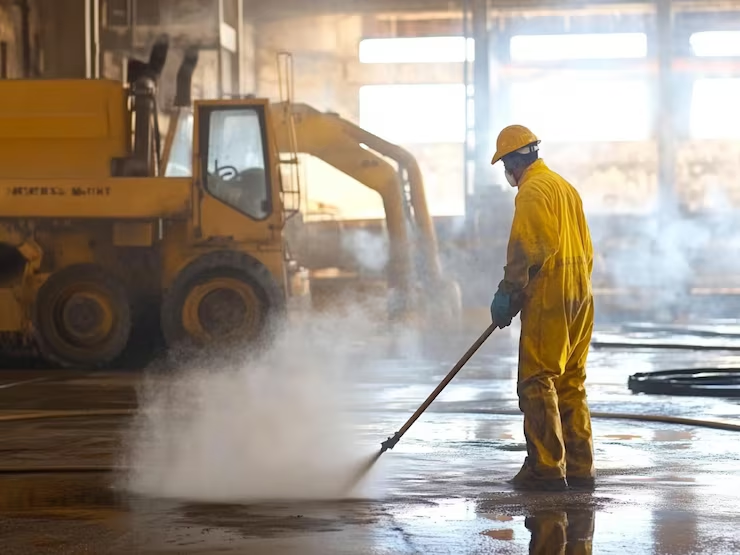
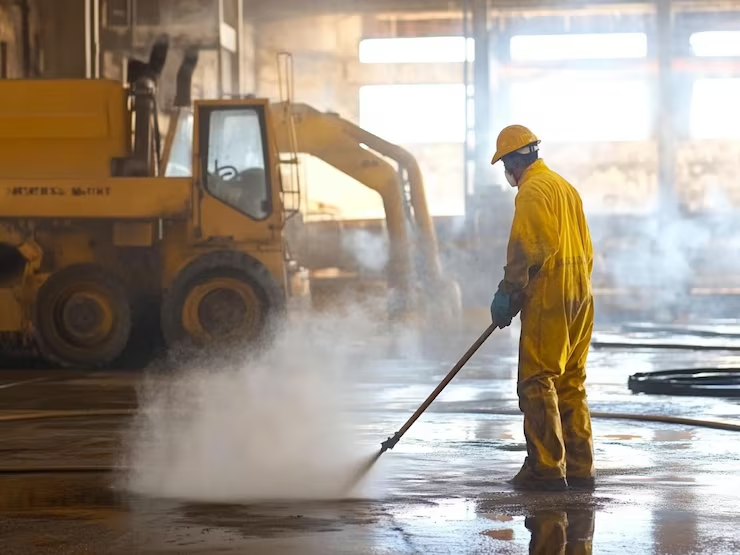
A worker in yellow protective gear uses a high-pressure water hose to clean a concrete floor inside an industrial facility, with construction equipment and steam visible in the background.

Why Construction Site Cleanup Is Essential for Workplace Safety

Construction projects involve constant movement, heavy equipment, building materials, and ongoing demolition or installation work. In these fast-paced environments, cleanliness and organization are directly connected to worker safety and project efficiency. When debris, dust, and waste materials are left unmanaged, construction sites can quickly become hazardous for employees, contractors, and visitors.

Professional construction site cleanup services help maintain safer and more organized job sites throughout every stage of a project. These services support hazard reduction, improve workflow efficiency, and help contractors maintain compliance with workplace safety regulations. For general contractors and developers managing commercial projects, investing in proper cleanup services is an important part of maintaining safe and productive construction environments.

Why Workplace Safety Matters on Construction Sites

Construction sites are naturally high-risk environments. Workers operate heavy machinery, handle sharp materials, work at elevated heights, and move through constantly changing work zones. Without consistent cleanup and debris removal, these conditions become even more dangerous.

Poor housekeeping often leads to accidents such as slips, trips, falls, cuts, and respiratory problems caused by dust exposure. Construction debris can block walkways, create unstable footing, and interfere with equipment movement. Excessive dust can reduce visibility and affect indoor air quality, especially during demolition or interior renovation work.

Maintaining a clean job site helps minimize these risks while creating a more controlled and organized workspace. Construction site cleanup services play a critical role in reducing avoidable accidents and supporting overall site safety.

How Construction Site Cleanup Services Improve Safety

Professional construction site cleanup services help maintain cleaner work environments by removing debris, controlling dust, and organizing active construction areas. These services improve both worker safety and operational efficiency throughout the project.

One of the most important safety benefits involves reducing trip and fall hazards. Construction materials such as scrap wood, nails, packaging, drywall pieces, and cables can quickly accumulate across active work zones. When these materials are not removed regularly, workers face a higher risk of injury while moving throughout the site.

Routine cleanup keeps pathways clear and ensures work areas remain accessible and organized. Safer walkways allow workers to move equipment more efficiently while lowering the chance of workplace accidents.

Another major concern on construction sites is airborne dust. Activities such as cutting concrete, sanding drywall, demolishing walls, or handling insulation release large amounts of fine particles into the air. Excessive dust exposure can lead to respiratory irritation and create unhealthy working conditions.

Professional after construction cleaning services help manage dust using specialized cleaning equipment and proven cleaning techniques. Thorough dust removal improves air quality and creates healthier conditions for workers and future occupants of the building.

Cleanup professionals also help reduce fire hazards on commercial construction sites. Wood scraps, cardboard, packaging materials, chemicals, and flammable debris can increase the risk of accidental fires if they are not removed properly. Organized cleanup procedures lower fire risks by eliminating combustible waste and maintaining clear access to emergency exits and equipment.

The Importance of Commercial Construction Cleanup for Compliance

Commercial construction projects must comply with workplace safety regulations and local building standards throughout every phase of development. Failure to maintain safe and organized job sites can result in compliance violations, delays, fines, and increased liability.

Professional commercial construction cleanup services help contractors maintain safer working conditions while supporting compliance with safety regulations. Proper housekeeping is an important part of workplace safety standards, including OSHA requirements for construction environments.

Clean job sites demonstrate a commitment to worker protection and responsible project management. Removing hazardous debris, managing dust, and maintaining organized work areas help contractors reduce safety concerns before they become larger issues.

Waste disposal is another important aspect of compliance. Construction projects generate significant amounts of waste that must be removed and disposed of properly. Professional cleanup teams understand how to handle construction debris safely and responsibly while following local disposal regulations.

Proper waste management helps contractors avoid environmental concerns and supports more sustainable construction practices.

How Cleanup Services Improve Construction Efficiency

Maintaining clean and organized work areas does more than improve safety. It also helps construction teams operate more efficiently throughout the project lifecycle.

Cluttered construction sites can slow down productivity by making it harder for workers to move equipment, locate materials, or complete tasks safely. Debris accumulation often creates unnecessary delays and increases the risk of equipment damage.

Construction site cleanup services help streamline operations by maintaining cleaner and more functional workspaces. Organized job sites allow contractors to complete tasks more efficiently while reducing downtime caused by avoidable hazards or disorganization.

For developers and project managers, efficient cleanup services can also help support scheduling goals. Regular debris removal allows crews to transition smoothly between construction phases and prepare areas for inspections, installations, or final detailing.

A clean project site also creates a more professional appearance for investors, property owners, inspectors, and potential tenants visiting the property during construction.

The Role of After Construction Cleaning

After construction cleaning is an essential final step before a building is ready for occupancy or client turnover. Even after major debris is removed, construction projects often leave behind layers of dust, residue, adhesive materials, and fine particles throughout the property.

Professional after construction cleaning services focus on detailed cleaning procedures that prepare commercial spaces for safe use and presentation. This process may include cleaning floors, walls, windows, vents, fixtures, and surfaces throughout the building.

Detailed cleaning improves indoor air quality while ensuring the finished property looks polished and professionally maintained. Final cleaning also helps identify any remaining issues that need attention before project completion.

For commercial properties, after construction cleaning creates a safer and more welcoming environment for future employees, tenants, customers, or visitors.

Why General Contractors and Developers Rely on Professional Cleanup Services

Managing commercial construction projects involves coordinating multiple contractors, schedules, inspections, and operational responsibilities. Professional cleanup services help reduce the burden on construction teams by handling site cleanliness and debris management consistently throughout the project.

General contractors benefit from having dedicated cleanup professionals who understand construction safety standards and commercial job site requirements. These services allow project managers to focus on construction progress while maintaining safer work conditions for everyone on site.

Developers also benefit from improved project presentation and reduced liability risks. Cleaner job sites create a stronger impression during property walkthroughs and inspections while demonstrating attention to safety and professionalism.

Investing in professional commercial construction cleanup services also helps reduce the risk of workplace injuries that may lead to insurance claims, legal disputes, or costly delays.

Choosing the Right Construction Cleanup Company

Selecting the right construction cleanup provider is important for maintaining consistent quality and safety throughout the project. Experienced cleanup professionals understand the unique challenges involved in commercial construction environments and can adapt services based on project size and scope.

Reliable construction cleanup companies use proper cleaning equipment, follow safe disposal procedures, and maintain flexible scheduling to support active construction operations. Contractors should look for cleanup providers with commercial project experience, strong safety practices, and a reputation for dependable service.

Working with experienced professionals helps ensure the construction site remains safe, organized, and prepared for every phase of the project.

Conclusion

Construction sites require ongoing cleanup and organization to maintain workplace safety and keep projects running efficiently. Professional construction site cleanup services help reduce hazards, improve compliance, manage debris properly, and support safer commercial construction environments.

From routine debris removal to detailed after construction cleaning, professional cleanup solutions help general contractors and developers maintain productive job sites while reducing safety risks and delays.

Contact us today to learn how our commercial construction cleanup services can support your next project.

Frequently Asked Questions

1. What are construction site cleanup services?

Construction site cleanup services involve removing debris, waste materials, and dust from active or completed construction projects to maintain safety and cleanliness.

2. Why is commercial construction cleanup important?

Commercial construction cleanup helps reduce workplace hazards, improve organization, support safety compliance, and create more efficient construction environments.

3. What does after construction cleaning include?

After construction cleaning includes detailed cleaning of floors, surfaces, windows, vents, fixtures, and remaining dust or debris after major construction work is completed.

4. How do cleanup services improve workplace safety?

Cleanup services reduce trip hazards, improve air quality, remove dangerous debris, and help maintain safer and more organized work areas.

5. Can professional cleanup services help with compliance?

Yes. Professional cleanup services help contractors maintain cleaner job sites that support workplace safety standards and regulatory compliance.