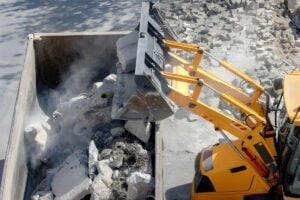
What Is Demolition Labour?
Demolition labour involves physical work linked to the removal, handling, sorting, and cleanup of materials from a demolition site. The exact work depends on the project. Some jobs involve light interior removal, while others involve large amounts of concrete, timber, fixtures, and general debris. Workers may assist before, during, or after demolition. For cleanup projects, their main role is often to clear the work area and prepare it for the next stage. Typical tasks may include:- Gathering loose demolition waste
- Carrying materials from the work area
- Loading debris into suitable containers
- Sorting reusable materials
- Clearing floors and access areas
- Moving heavy materials with suitable equipment
- Preparing the site for further construction work
When Should You Consider Demolition Labour?
Not every cleanup project requires specialist labour. However, certain conditions can make additional workers a practical choice. One clear sign is the amount of waste left on site. A small pile of light material may be manageable for a property owner or a small team. Large quantities of concrete, plaster, timber, tiles, or metal can take much longer to move. Time is another important factor. If contractors need a clear site before the next phase can begin, slow cleanup can affect the whole schedule. Bringing in extra labour can help the main team focus on construction rather than spending hours carrying waste. For example, someone searching for construction labor near me may need workers for a project where the existing team does not have enough people to complete manual cleanup. In this situation, the key question is not simply how much waste exists. It is also how quickly the area needs to be cleared.Signs That Extra Cleanup Workers May Help
Consider additional labour when:- The site contains a large amount of heavy debris.
- The main construction team is already busy with other tasks.
- Cleanup is delaying the next stage of work.
- Materials need to be separated before disposal.
- The site has difficult access points.
- There are several rooms or areas to clear.
- Manual carrying would take too much time.
- The project has a strict completion schedule.
What Can Demolition Labourers Do?
Cleanup workers can perform many physical tasks, but their duties should match their training and the project requirements. Hazardous work should be handled by properly qualified professionals. For a standard cleanup project, labourers may collect smaller pieces of material and move them to a designated area. They may also load waste into bins, trailers, or other approved containers. Sorting is another useful task. Some projects produce different types of waste that should not all be mixed together. Timber, metal, concrete, and other materials may need separate handling. A clear work plan helps prevent confusion. Before workers start, the site manager should explain where materials should go and which areas must remain clear.Demolition Cleanup After Interior Work
Interior demolition can produce more waste than expected. Removing kitchens, bathrooms, partitions, ceilings, flooring, or built-in fixtures can leave many small and medium-sized materials behind. The cleanup stage may involve:- Removing broken boards and panels
- Gathering pieces of flooring
- Carrying old fixtures
- Collecting plaster and wall material
- Sweeping loose dust and small debris
- Clearing access paths
- Loading sorted waste
When a Demolition Cleanup Contractor May Be Better
Some projects are too large or complex for general labour alone. In such cases, a demolition cleanup contractor may provide a more complete service. A contractor may help coordinate workers, equipment, waste handling, and site cleanup. This can be useful when the project involves several types of materials or a large amount of debris. Before hiring one, ask what the service includes. For example, does the quoted work cover labour only, or does it include loading, transport, sorting, and disposal? This distinction matters because two quotes can look similar while covering very different services.| Project situation | Labour may be enough | Contractor may be useful |
|---|---|---|
| Small interior cleanup | Yes | Sometimes |
| Large debris volume | Sometimes | Often |
| Simple material carrying | Yes | Not always |
| Multiple waste types | Sometimes | Often |
| Tight project schedule | Often | Often |
| Complex site conditions | Less likely | More likely |
How to Prepare Before Workers Arrive
Good preparation can save time. Before cleanup begins, identify the areas that need attention and decide where waste should be placed. The site should also have clear access where possible. Workers may need to carry heavy materials through doors, corridors, stairways, or outdoor paths. Make sure everyone understands which materials require special handling. Do not assume that all demolition waste can be treated in the same way. A basic preparation checklist includes:- Mark the cleanup area.
- Identify access routes.
- Decide where waste will be collected.
- Separate materials when required.
- Remove unnecessary obstacles.
- Confirm who is responsible for disposal.
- Check that workers have suitable protective equipment.
Safety Should Remain a Priority
Demolition cleanup can involve more than lifting and carrying. Workers may encounter nails, broken glass, sharp metal, unstable materials, dust, or hidden hazards. The site should be assessed before cleanup begins. Workers should have appropriate protective equipment and follow the safety rules that apply to the project. Heavy items also need careful handling. Poor lifting methods can cause injuries. Where loads are too heavy for safe manual movement, suitable mechanical equipment should be considered. Electrical hazards and unstable structures require particular care. Labourers should not be expected to perform specialist work outside their training.How to Choose the Right Labour Support
The cheapest option is not always the most suitable. Start by considering the actual work involved. Ask potential service providers:- How many workers will be assigned?
- What tasks are included?
- Is loading included?
- Is waste sorting included?
- Who handles disposal?
- What equipment is provided?
- How is the work scheduled?
- Are there tasks that require specialist workers?
When DIY Cleanup May Work
DIY cleanup can be suitable for small projects where the materials are light and the work area is easy to access. It may also make sense when there is no urgent deadline. However, homeowners should avoid taking unnecessary risks. Heavy concrete, large structural pieces, sharp materials, and hazardous waste can create serious problems. If the cleanup requires specialist equipment or involves dangerous materials, professional support is usually more appropriate.How Labour Can Improve Project Efficiency
A construction project has many moving parts. When skilled tradespeople spend large parts of their day carrying debris, productivity can fall. Extra labour can separate cleanup duties from skilled construction work. This allows tradespeople to focus on tasks that require their specific knowledge. The benefit is not simply faster lifting. A cleaner work area can also make movement easier and reduce clutter around active work zones. This is particularly helpful when several contractors are working at the same time. A clear site creates more space for tools, materials, and workers.Questions to Ask Before Hiring
Before making a decision, consider the complete scope of work rather than focusing only on labour rates. A useful checklist is:- How much material needs to be removed?
- What types of waste are present?
- How far must the waste be carried?
- Is the site easy to access?
- Is sorting required?
- Who supplies bins or containers?
- Is transport included?
- What is the expected cleanup deadline?
Conclusion
Demolition cleanup can become a major task when a project produces large amounts of heavy or mixed waste. Extra labour can help clear work areas, move materials, sort debris, and keep the project moving. The right choice depends on the size of the site, waste volume, access, schedule, and type of work involved. Small projects may only need limited help, while larger or complex sites may benefit from a full cleanup team. Planning the work clearly and keeping safety at the centre can make cleanup more efficient. Contact us for more information.FAQ
They are useful when a project produces more debris than the existing team can safely and efficiently handle.
Not necessarily. Some materials require specialist handling or disposal. The type of waste should be confirmed before work begins.
A contractor may provide broader coordination and cleanup services, while general labour may focus mainly on physical tasks.
They can handle suitable cleanup tasks, but using additional labour may allow skilled workers to focus on construction duties.
Check the tasks included, worker numbers, equipment, access requirements, waste handling, disposal responsibilities, and schedule.
It can be suitable for small, low-risk jobs. Heavy, sharp, unstable, or hazardous materials should be handled with appropriate professional support.