Step 1: Assess the Site
The first step is to inspect the work area. Workers need to understand the amount and type of material that must be removed. The assessment should consider the size of the site, access routes, waste types, and any visible hazards. It can also help determine how many workers and how much equipment may be needed. A small room with light debris requires a different approach from a large commercial space containing concrete, timber, metal, and other heavy materials. The site assessment may look at:- Volume of demolition waste
- Types of materials present
- Building access
- Stairways and narrow areas
- Loading points
- Waste storage locations
- Potential safety concerns
Step 2: Create a Cleanup Plan
Once the site has been assessed, the work can be organised into clear stages. A good plan helps workers avoid unnecessary movement and keeps waste from building up in active areas. The plan should identify where debris will be collected and how it will leave the property. It should also state whether materials need to be sorted. A project manager may divide the site into sections. Workers can then complete one area before moving to another. This approach is especially helpful on larger sites. It prevents several areas from becoming cluttered at the same time.Step 3: Identify and Sort Materials
Not all demolition waste should be handled in exactly the same way. Sorting materials can make disposal and recycling easier where suitable facilities are available. Common materials may include timber, concrete, metal, plaster, tiles, fixtures, and general waste. Proper sorting also reduces confusion during loading. Workers know which materials belong in each designated container or collection area. However, materials that may be hazardous should not be treated as ordinary rubbish. They require appropriate identification and handling.Step 4: Gather Loose Debris
After the work area is organised, workers can begin gathering loose material. This may include smaller pieces of broken flooring, plaster, timber, tiles, and other debris. The process should normally begin in a controlled area rather than moving waste randomly around the site. Workers may use hand tools, bins, bags, carts, or suitable equipment depending on the material and project. The aim is to create a clear working area while moving waste towards its planned collection point.Step 5: Handle Heavy Materials
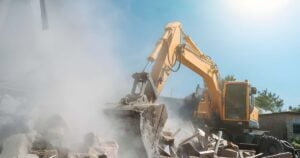
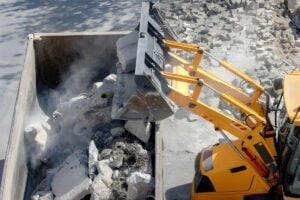
Heavy debris needs more planning than lightweight rubbish. Concrete, masonry, large timber pieces, and metal can be difficult to carry safely. Workers should use safe lifting methods and suitable equipment where required. Heavy items should not be moved manually when doing so creates an unreasonable risk. For larger projects, mechanical equipment may be used to move heavy materials to a loading area. This stage is one reason professional planning matters. Poorly organised movement can increase the chance of injury or damage to the property.Step 6: Complete Demolition Rubbish Removal
Once waste has been gathered and sorted, it can be prepared for removal. Demolition rubbish removal may involve loading waste into bins, vehicles, trailers, or other suitable containers. The exact process depends on the project and local waste requirements. Before removal, workers should check that containers are suitable for the materials placed inside them. Overloading or mixing unsuitable materials can create problems later. A clear removal plan also helps prevent waste from sitting on the property longer than necessary.Step 7: Arrange Demolition Debris Removal
After materials are loaded, the next stage is transport and disposal. Demolition debris removal should follow the requirements that apply to the waste and location. Some materials may be suitable for recycling or reuse. Others may need to go to an approved waste facility. Responsibility should be agreed before work begins. Do not assume that a cleanup quote automatically includes transportation or disposal. When comparing services, check whether the price covers:- Labour
- Loading
- Containers
- Transport
- Disposal
- Recycling or sorting where applicable
Step 8: Clean the Remaining Work Area
Removing large debris does not mean the site is completely clean. Small pieces, dust, fragments, and loose material may remain. The final cleaning stage focuses on making the area ready for inspection or the next phase of work. Depending on the project, this may include sweeping floors, collecting small debris, clearing access routes, and removing remaining material from work areas. The required level of cleaning should be agreed in advance. A basic construction cleanup may have different requirements from a final handover clean.Step 9: Inspect the Site
A final inspection helps confirm that the planned cleanup has been completed. The person responsible for the project should walk through the site and check the agreed areas. They should look for remaining debris, blocked access routes, forgotten materials, and areas that still require attention. A simple inspection can include:- Floors and corners
- Doorways
- Stairs
- Work zones
- Outdoor collection areas
- Loading points
- Storage spaces
Step 10: Prepare for the Next Project Stage
The final goal is not simply to remove rubbish. It is to leave the site ready for whatever comes next. A clean work area gives contractors better access and makes it easier to measure, install, build, repair, or inspect the property. For example, a renovation team may need clear floors before installing new surfaces. Builders may need open access before bringing in new materials. This is why cleanup should be considered part of project planning rather than an afterthought.Professional Cleanup vs Basic Waste Collection
Professional cleanup can involve several connected tasks. Basic waste collection may only cover the removal of material that has already been gathered.| Factor | Basic waste collection | Professional cleanup |
|---|---|---|
| Site assessment | Limited | Usually included |
| Debris gathering | May be limited | Included |
| Material sorting | Depends on service | Planned where needed |
| Heavy material handling | Limited | Organised according to site needs |
| Loading | May be included | Usually planned |
| Final site check | Not always included | Often included |
| Project coordination | Limited | More structured |
Safety During Demolition Cleanup
Safety should be considered at every stage. Demolition sites may contain sharp objects, dust, unstable materials, exposed components, and heavy debris. Workers should follow suitable safety procedures and use protective equipment appropriate to the work. Some materials may require specialist handling. Workers should not handle unknown or hazardous substances without the required training and controls. Access routes should also remain clear. Waste should not be placed where it blocks exits, creates trip hazards, or interferes with other workers.How to Prepare for Professional Cleanup
Property owners and project managers can make the process easier by providing clear information before the team arrives. Useful details include:- Approximate site size
- Type of demolition completed
- Estimated debris volume
- Material types
- Access restrictions
- Available loading areas
- Required completion date
- Disposal expectations
What Should You Ask a Cleanup Provider?
Before agreeing to a service, ask practical questions rather than focusing only on the quoted price. Find out:- What exactly is included?
- Is debris gathering included?
- Does the service include loading?
- Are bins or containers provided?
- Is transport included?
- Who handles disposal?
- Are recyclable materials separated?
- How long should the cleanup take?
- Are specialist materials excluded?
- What level of final cleaning is provided?
Common Cleanup Mistakes to Avoid
A few simple mistakes can make demolition cleanup slower or more expensive. One common issue is failing to estimate the amount of waste. Another is mixing different materials without checking whether they should be separated. It is also easy to overlook access. A site may have enough space for waste but no practical route for moving large loads. Other problems include:- Leaving cleanup until the last minute
- Not confirming disposal responsibilities
- Blocking work areas with waste
- Underestimating heavy materials
- Failing to explain access restrictions
- Assuming every material can go into one container
Conclusion
Professional demolition cleanup is a planned process that goes beyond picking up visible rubbish. It starts with a site assessment and continues through planning, sorting, debris collection, heavy material handling, removal, final cleaning, and inspection. Each stage helps prepare the property for its next use. Clear communication is important because labour, loading, transport, containers, and disposal may not always be included in one service. By defining the scope before work begins, project managers can keep cleanup organised, safer, and easier to complete. Contact us for more information.FAQ
They may include site assessment, debris collection, sorting, loading, removal, basic final cleaning, and site inspection. The exact scope varies by provider.
No. Rubbish removal usually focuses on taking waste away. Cleanup can include gathering, sorting, moving, and preparing the site as well.
Depending on the project, debris may be placed in suitable containers and transported to appropriate waste, recycling, or disposal facilities.
Sorting can be useful when different materials require different handling or when some materials may be recycled or reused.
It can, but the scope should be confirmed before work starts. Very heavy or specialist materials may require particular equipment or trained workers.
It is best to plan cleanup before demolition begins. Early planning allows waste handling, access, labour, containers, and disposal arrangements to be considered together.
Check the scope of work, labour, equipment, loading, transport, disposal, sorting, exclusions, and expected completion time.