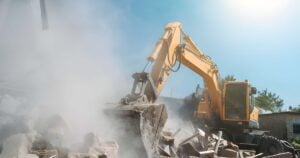
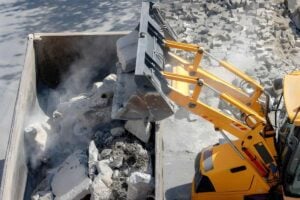
Construction and demolition projects generate large amounts of waste every day. Concrete, wood, drywall, metal, roofing materials, glass, and other debris can quickly accumulate across a job site. If this waste is not removed promptly, it creates safety hazards, reduces productivity, and increases the risk of project delays. For commercial contractors, maintaining a clean work environment is essential for keeping projects on schedule and meeting safety standards.
Professional demolition waste removal helps contractors manage debris safely and efficiently throughout every stage of a project. Rather than allowing waste to pile up, scheduled removal services keep construction sites organized, improve workflow, and support responsible disposal practices. A reliable waste management plan also helps contractors comply with local regulations while reducing the environmental impact of demolition work.
This guide explains why demolition waste removal is an important part of every commercial construction project and how professional services help contractors maintain safer, cleaner, and more efficient job sites.
Understanding Demolition Waste Removal
Demolition waste removal involves collecting, transporting, sorting, recycling, and disposing of debris generated during demolition projects. Whether a contractor is renovating part of a commercial building or demolishing an entire structure, significant amounts of waste are produced that require proper handling.
Construction waste cannot simply be left on-site until the project is complete. Debris can block work areas, interfere with equipment, and create unnecessary hazards for workers. Professional waste removal companies ensure debris is removed regularly so construction activities continue without interruption.
An effective demolition waste removal plan begins before demolition starts. Contractors estimate the amount of waste expected, identify recyclable materials, determine the number of containers required, and schedule waste collection throughout the project. Planning ahead prevents waste from becoming an obstacle that slows construction progress.
Types of Demolition Waste Found on Construction Sites
Every demolition project produces different types of materials depending on the age, size, and construction of the building. Professional waste removal companies are experienced in handling a wide range of demolition debris safely and responsibly.
Common demolition waste includes concrete, bricks, asphalt, drywall, plaster, wood framing, roofing materials, insulation, glass, steel, aluminum, piping, electrical components, flooring materials, ceiling tiles, cabinets, doors, windows, and packaging materials. Some materials can be recycled while others require disposal according to local regulations.
Proper sorting allows recyclable materials to be diverted from landfills whenever possible while ensuring non recyclable materials are handled safely.
Why Demolition Waste Removal Improves Job Site Safety
Construction sites naturally contain many hazards. Adding piles of demolition debris increases the risk of accidents and injuries. Loose materials scattered across the site create trip hazards, while overflowing waste areas make it difficult for workers and equipment to move safely.
Professional construction site rubbish removal helps maintain safer working conditions by removing debris before it becomes a problem. Clear walkways improve worker mobility, equipment operators have better visibility, and emergency access remains unobstructed throughout the project.
Maintaining a clean site also reduces the risk of sharp materials causing injuries. Nails, broken glass, exposed metal, and damaged building materials are easier to manage when waste is removed consistently instead of accumulating for days or weeks.
A cleaner workplace contributes to a stronger safety culture where employees can concentrate on completing their tasks without unnecessary distractions.
Keeping Construction Projects on Schedule
Construction schedules depend on efficient coordination between multiple trades. Electricians, plumbers, framers, roofers, flooring installers, and finish crews all require clean work areas to complete their responsibilities.
When debris occupies valuable workspace, productivity slows. Workers spend extra time clearing materials before beginning their tasks, and equipment movement becomes restricted.
Routine demolition waste removal supports project efficiency by ensuring debris never becomes an obstacle. Regular waste collection allows each phase of construction to begin as planned without unnecessary cleanup delays.
Commercial contractors benefit from improved workflow because crews remain focused on skilled construction work instead of spending valuable labor hours managing waste.
Supporting Compliance With Waste Disposal Regulations
Commercial construction projects must follow local waste disposal requirements. Certain demolition materials require special handling, while recyclable materials may need to be separated before disposal.
Professional demolition waste removal companies understand these regulations and ensure waste is transported to approved recycling centers or disposal facilities. This reduces the risk of violations that could delay construction or result in financial penalties.
Working with experienced waste management professionals provides contractors with confidence that waste handling complies with applicable environmental and disposal regulations throughout the project.
Promoting Sustainable Construction Practices
Environmental responsibility has become an important part of modern construction. Many commercial projects now include sustainability goals that encourage recycling and waste reduction.
Professional demolition debris removal supports these efforts by identifying materials that can be recycled instead of sent directly to landfills. Concrete can often be crushed and reused as aggregate. Steel and aluminum can be recycled into new products. Wood, asphalt, cardboard, and certain plastics may also be recycled depending on local facilities.
Reducing landfill waste conserves natural resources while helping contractors demonstrate environmentally responsible construction practices.
Improving Equipment Access
Heavy equipment plays a major role in demolition projects. Excavators, skid steers, loaders, cranes, forklifts, and dump trucks all require clear travel paths to operate safely and efficiently.
Large debris piles limit equipment movement and increase the chance of collisions with materials or nearby structures. Delays caused by blocked access can significantly affect project timelines.
Professional construction site rubbish removal ensures waste is cleared regularly, allowing heavy machinery to operate efficiently throughout the project. Better equipment access also improves fuel efficiency because operators spend less time maneuvering around obstacles.
Protecting Valuable Salvage Materials
Not every material removed during demolition should be discarded. Many commercial projects include valuable items that can be reused or recycled.
Structural steel, copper piping, aluminum framing, doors, windows, lighting fixtures, cabinetry, and mechanical equipment may retain significant value if handled properly.
Professional waste removal services help separate salvageable materials before general debris is removed. Proper organization prevents reusable materials from being damaged while maximizing recycling opportunities.
Recovering valuable materials also helps reduce disposal costs and supports sustainable construction practices.
Better Organization Leads to Better Productivity
Organization is one of the most overlooked factors affecting construction efficiency. A cluttered job site makes it harder for workers to locate tools, access materials, and move equipment safely.
Routine demolition waste removal helps contractors maintain designated storage areas, loading zones, equipment parking locations, and clear access routes.
When every area remains organized, communication between subcontractors improves and daily operations become more efficient. Workers spend less time searching for materials or navigating around waste, allowing more time for productive construction activities.
Reducing Risks Throughout the Project
Construction projects involve many moving parts, and unmanaged waste increases the likelihood of costly problems.
Debris accumulation can contribute to workplace injuries, damaged equipment, lost materials, inspection issues, and project delays. These problems often result in additional labor costs and schedule disruptions.
Consistent demolition debris removal reduces these risks by maintaining a cleaner work environment throughout the demolition and construction process. Contractors benefit from smoother operations, fewer interruptions, and improved overall project management.
Choosing a Professional Demolition Waste Removal Company
Selecting the right waste removal partner is an important decision for commercial contractors. An experienced provider understands the demands of construction projects and offers reliable scheduling that matches the pace of demolition work.
The best companies provide properly sized containers, dependable pickup schedules, experienced hauling crews, recycling options, regulatory compliance, and responsive customer service. They also understand how to coordinate waste removal without disrupting ongoing construction activities.
Working with a trusted demolition waste removal provider allows contractors to focus on completing projects while waste management professionals handle debris safely and efficiently.
Best Practices for Demolition Waste Management
Successful demolition projects begin with careful planning. Contractors should estimate waste volume before demolition begins and develop a removal schedule that matches project progress.
Debris should be removed regularly rather than waiting until the end of the project. Recyclable materials should be separated whenever possible to reduce landfill waste. Designated waste collection areas should remain organized, and workers should understand proper disposal procedures for different materials.
Regular communication between contractors and waste removal providers ensures pickups occur on time and waste never interferes with construction activities.
Conclusion
Keeping a construction site clean and organized is essential for maintaining safety, improving productivity, and ensuring projects stay on schedule. Regular waste removal helps reduce workplace hazards, supports compliance with disposal regulations, encourages responsible recycling, and creates a more efficient working environment for everyone on site.
If you are looking for reliable waste management solutions for your next commercial project, contact us today. Our experienced team provides safe, timely, and efficient debris removal services that help keep your construction site clean, organized, and ready for every stage of the project.
Frequently Asked Questions
Demolition waste removal is the process of collecting, transporting, recycling, and disposing of debris generated during demolition and renovation projects.
Construction site rubbish removal improves safety, keeps work areas organized, supports productivity, and helps contractors comply with local waste disposal regulations.
Materials such as concrete, steel, aluminum, asphalt, wood, cardboard, and certain plastics can often be recycled depending on local recycling facilities.
Waste should be removed regularly throughout the project to prevent debris buildup, maintain safe working conditions, and keep construction activities moving efficiently.
Professional waste removal companies provide safe handling, timely collection, regulatory compliance, recycling support, and efficient debris management that helps contractors complete projects safely and on schedule.