Construction projects move quickly when every stage is completed on time. Whether you are managing a residential build, commercial development, or renovation, every delay affects labor schedules, equipment availability, inspections, and overall project costs. One of the most overlooked causes of delays is the accumulation of construction waste across the job site.
Professional construction debris removal plays a vital role in maintaining a clean, organized, and productive work environment. Instead of allowing debris to pile up, timely removal keeps crews working efficiently and helps projects stay on schedule. Fast cleanup also supports workplace safety, protects valuable materials, and creates a better experience for contractors, clients, and inspectors.
For construction site managers, investing in reliable debris removal services is not simply about keeping the site clean. It is a practical strategy for improving productivity and completing projects faster.
Why Construction Debris Builds Up Quickly
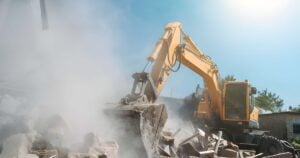
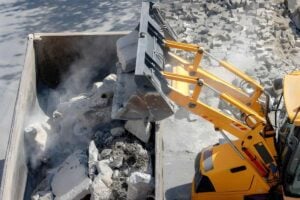
Every phase of construction creates waste. Demolition, framing, roofing, drywall installation, flooring, landscaping, and finishing work all generate different types of debris that need proper handling. Common materials include wood scraps, drywall pieces, concrete rubble, brick, metal, roofing shingles, insulation, broken tiles, packaging materials, plastic wrapping, and glass. Without regular construction waste removal, these materials continue to accumulate, reducing available workspace and slowing every trade working on the site.
Fast Construction Debris Removal Keeps Projects Moving
Construction schedules are carefully planned around multiple contractors working in sequence. Delays in one stage often affect every phase that follows. When debris is removed promptly, crews have immediate access to clean work areas, allowing them to complete their tasks without unnecessary interruptions.
Fast construction debris hauling eliminates many of the obstacles that slow daily operations. Clear pathways allow workers and equipment to move freely, workspaces remain accessible, and valuable time is no longer wasted clearing debris before beginning the next task. Rather than assigning skilled workers to clean up throughout the day, construction managers can keep crews focused on the work they were hired to perform.
A Cleaner Job Site Improves Productivity
Construction professionals perform more efficiently in organized environments. When materials are stored properly and waste is removed regularly, workers spend less time searching for equipment, moving debris, or reorganizing work areas. Clean job sites make it easier for subcontractors to coordinate with one another while allowing equipment to move safely and efficiently throughout the project. Every hour saved contributes to faster project completion and improved labor efficiency.
Better Safety for Workers
Construction sites naturally involve safety risks, and loose debris significantly increases the chance of accidents. Professional construction debris removal reduces common hazards by keeping walkways clear and eliminating sharp objects, broken materials, unstable waste piles, and blocked emergency exits. A clean worksite helps construction managers maintain a safer environment while reducing interruptions caused by workplace accidents.
Fewer injuries also mean fewer project delays, lower liability risks, and a more productive workforce throughout the construction process.
Faster Equipment Access
Heavy equipment such as forklifts, skid steers, excavators, loaders, and delivery trucks requires clear access across the construction site. Large piles of debris often restrict equipment movement and force operators to spend unnecessary time navigating around waste.
Routine construction waste removal creates open access routes that improve equipment efficiency while reducing delays during material deliveries and site operations.
Supports Better Material Management
Construction materials represent a significant investment, and poor site organization can result in unnecessary waste. When debris accumulates around valuable supplies, reusable materials may become damaged or accidentally discarded.
Regular cleanup allows construction managers to separate reusable materials from waste while maintaining better inventory control. Organized storage areas reduce replacement costs, improve material tracking, and help maximize project resources throughout every stage of construction.
Helps Meet Project Deadlines
Meeting project deadlines is one of the primary responsibilities of every construction site manager. Construction schedules rely on inspections, subcontractor availability, equipment scheduling, and timely material deliveries. Excess debris can delay inspections by making work areas difficult to access or creating safety concerns.
Professional construction debris hauling helps maintain inspection-ready conditions throughout the project, allowing every phase of construction to move forward without unnecessary delays.
Creates a Professional Job Site
Construction sites are regularly visited by clients, architects, engineers, investors, and project stakeholders. A clean and organized worksite demonstrates professionalism and reflects positively on the entire construction team.
Maintaining a well-managed site shows a commitment to safety, organization, quality workmanship, and efficient project management. These positive impressions can strengthen client confidence and support future business opportunities.
Reduces Labor Costs
Construction workers are hired for specialized tasks that contribute directly to project completion. When skilled employees spend valuable hours cleaning up debris instead of performing construction work, overall productivity declines.
Professional construction debris removal allows contractors to focus on building rather than waste management. This improves labor efficiency while helping construction companies control unnecessary project costs.
Supports Environmental Responsibility
Construction companies are increasingly expected to manage waste responsibly. Many building materials can be recycled rather than sent directly to landfills. Materials such as metal, concrete, wood, cardboard, asphalt, and certain plastics may often be separated for recycling, depending on local regulations.
Responsible construction waste removal supports environmentally conscious construction practices while reducing landfill waste and helping companies meet sustainability goals.
Improves Coordination Between Trades
Modern construction projects involve electricians, plumbers, HVAC technicians, drywall installers, painters, flooring contractors, and finish carpenters working in carefully planned sequences. If debris from one phase remains on site, the next crew must spend valuable time clearing the workspace before beginning their own tasks.
Fast debris removal ensures each contractor can begin work immediately, improving coordination between trades and helping maintain steady project progress from start to finish.
Minimizes Unexpected Project Delays
Unexpected delays increase construction costs quickly. Accumulated debris can interfere with equipment movement, delay inspections, block deliveries, create safety incidents, and contribute to drainage issues during poor weather.
Routine construction debris hauling helps eliminate these preventable problems before they affect the construction schedule. Addressing waste consistently throughout the project is far more efficient than dealing with large accumulations after they begin disrupting operations.
Why Professional Debris Removal Is More Efficient
Handling construction waste internally often requires additional labor, equipment rentals, transportation planning, and disposal coordination. These responsibilities take valuable time away from managing the construction project.
Professional debris removal companies already have the equipment, vehicles, trained personnel, and disposal processes needed to remove waste efficiently. Their experience allows construction work to continue with minimal disruption while keeping the job site clean and organized.
Choosing the Right Construction Debris Removal Service
Selecting the right debris removal provider can have a significant impact on project efficiency. Construction site managers should work with experienced companies that offer prompt response times, dependable scheduling, flexible pickup options, safe removal practices, and proper disposal methods. A reliable service provider ensures waste removal keeps pace with construction progress, preventing unnecessary delays and supporting faster project completion.
Conclusion
Fast construction debris removal is an essential part of keeping construction projects on schedule. A clean and organized job site allows workers to perform efficiently, improves safety, supports better coordination between trades, and helps prevent costly delays. Regular construction waste removal also protects valuable materials, keeps equipment moving freely, and creates a professional environment for clients and inspectors.
Partnering with a reliable construction debris hauling service ensures waste is removed promptly so your team can stay focused on completing the project. By making debris removal a consistent part of site management, construction managers can improve productivity, maintain safer working conditions, and achieve faster project completion with fewer disruptions.
If you need dependable construction debris removal services to keep your project moving efficiently, contact Best Super Cleaning today. Our experienced team provides prompt construction waste removal and construction debris hauling solutions to help maintain a clean, safe, and productive job site from start to finish.
Frequently Asked Questions
Construction debris removal helps keep a job site clean, organized, and safe. Removing waste regularly provides workers with more usable space, keeps pathways clear, improves workflow, and helps prevent unnecessary project delays.
Construction debris should be removed regularly throughout the project, especially when waste begins to interfere with work areas, equipment access, or worker movement. The ideal removal frequency depends on the size of the project and the amount of debris generated.
Construction debris cleanup can include common job site waste such as wood scraps, drywall, concrete, brick, metal, roofing materials, insulation, flooring materials, packaging, plastic, and other construction-related debris.
Regular construction waste removal reduces hazards caused by loose materials, sharp objects, unstable debris piles, and blocked walkways. Keeping work areas clear can help reduce trips, falls, accidents, and other safety concerns on the job site.
Hiring a professional construction debris removal company allows construction crews to focus on their primary work instead of spending valuable labor hours handling and transporting waste. Professional services also have the equipment, personnel, and disposal processes needed to manage debris efficiently.