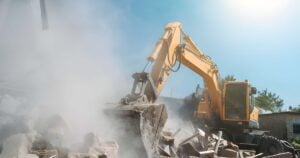
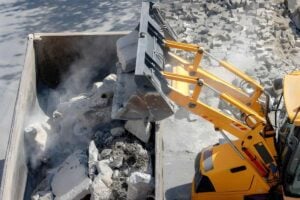
Construction projects generate debris at nearly every stage, from demolition and site preparation to framing, renovation, and final completion. Managing that waste efficiently is important for keeping the jobsite organized, supporting worker safety, and maintaining project schedules. For property developers and construction managers, choosing the right debris removal contractor can make a significant difference in how smoothly a project progresses.
The right contractor should do more than remove unwanted materials. They should understand construction site requirements, provide dependable scheduling, handle different types of debris appropriately, and work efficiently around active crews. A reliable cleanup partner can help reduce delays and keep your project moving toward completion.
Understand Your Project’s Debris Removal Needs
Before choosing a contractor, identify what your project requires. Construction debris can include drywall, lumber, concrete, packaging, fixtures, flooring materials, metal, and other materials generated during construction or demolition.
The type and volume of debris will depend on the size and stage of the project. A small renovation may require occasional pickups, while a large commercial development may need regular removal throughout construction.
Consider how much debris your project is expected to generate, where it will accumulate, how often it needs to be removed, and whether the contractor will handle loading and hauling. Having a clear understanding of these requirements makes it easier to compare providers and request accurate estimates.
Look for Construction Experience
Construction cleanup is different from ordinary residential junk removal. A contractor working on an active construction site needs to understand site access, project schedules, material handling, and coordination with construction crews.
Look for a debris removal contractor with experience working on construction, renovation, demolition, commercial, or development projects. Experience with similar projects can indicate that the contractor understands the challenges involved in removing debris without disrupting ongoing work.
Best Super Cleaning provides construction labor, demolition, rubbish removal, and junk removal services for construction and demolition sites, including commercial projects, residential complexes, industrial sites, and high-rise construction.
Check the Range of Services
A reliable contractor should offer services that match the needs of your project. Choosing a company that can handle several related tasks can simplify communication and reduce the need to coordinate multiple vendors.
Ask whether the company provides debris collection, loading, hauling, demolition cleanup, construction site cleanup, and junk removal. If your project requires additional labor, determine whether the contractor can provide workers to support cleanup and material removal.
A construction cleanup company may be especially useful when debris removal needs to happen alongside other site cleanup activities. Having one experienced partner manage related cleanup responsibilities can make scheduling easier for construction managers.
Confirm That They Can Handle Your Debris
Not every contractor handles every type of construction waste. Before signing an agreement, explain exactly what materials your project will produce.
Ask how the contractor handles common construction materials such as wood, drywall, concrete, metal, fixtures, packaging, and general rubbish. You should also ask whether certain materials require special handling or separate arrangements.
Providing this information before work begins helps prevent unexpected problems during pickup. It also allows the contractor to determine the appropriate equipment, labor, transportation, and disposal process for the job.
Evaluate Scheduling and Availability
Construction schedules can change quickly. A delayed delivery, weather issue, inspection, or change in trade activity can affect when debris needs to be removed.
For this reason, availability and scheduling should be major factors when selecting a debris removal contractor. Ask how far in advance pickups must be scheduled and whether the company can accommodate changes when project conditions shift.
Regular debris removal can help keep work areas clear as construction progresses. Instead of allowing materials to accumulate until the end of the project, construction managers can coordinate removal around project phases and site activity.
A contractor that communicates clearly and responds promptly can be a valuable part of the project team.
Review Safety Practices
Construction debris can create hazards when it is allowed to accumulate in work areas. Materials such as sharp metal, broken materials, nails, wood scraps, and other waste can interfere with movement around the site.
Ask prospective contractors about their approach to site safety and material handling. The company should understand the importance of working carefully around construction crews, equipment, access points, and active work zones.
A professional contractor should also be prepared to follow the site’s safety procedures and coordinate with the project manager or designated site contact. Clear communication is particularly important when debris must be collected from an active construction area.
Ask About Equipment and Workforce
The right equipment can affect how efficiently debris is removed. Depending on the project, removal may require trucks, containers, loading equipment, or a sufficient labor force to collect and move materials.
Ask whether the contractor has the workforce and equipment necessary for your project’s expected volume. A provider that is equipped for larger construction sites may be better prepared to handle changing debris volumes than a company focused primarily on small residential jobs.
For larger projects, confirm that the contractor can scale its services as construction activity increases. This can help prevent debris from becoming a bottleneck during busy phases of the project.
Compare Pricing Carefully
Price is important, but the lowest quote is not always the best choice. A low estimate may not include all of the services your project requires.
When comparing quotes, determine exactly what is included. Ask whether the price covers labor, loading, transportation, disposal, equipment, and additional pickups. Also clarify whether there are additional charges for heavy materials, excess volume, special handling, or changes to the scheduled service.
A detailed quote makes it easier to compare contractors based on the actual value they provide. It also reduces the chance of unexpected costs later.
Check Reliability and Communication
Reliability should be one of the most important considerations when choosing a cleanup partner. If a contractor fails to arrive when scheduled, debris can accumulate and interfere with other trades.
Ask how the company communicates with clients and who will be your primary contact. A dependable contractor should provide clear scheduling information and communicate promptly when circumstances change.
You can also ask for references or examples of similar projects. Feedback from other property developers, general contractors, or construction managers can provide useful insight into the company’s reliability, professionalism, and ability to meet project requirements.
Consider Their Ability to Provide Junk Removal Solutions
Construction projects do not always produce debris in predictable amounts. Renovation work, property improvements, tenant build-outs, and demolition can generate unexpected materials that need to be removed quickly.
For this reason, it is useful to work with a provider that offers flexible junk removal solutions in addition to regular construction debris services. This can make it easier to manage materials that fall outside the original cleanup schedule.
The goal is to have a cleanup partner that can adapt to the project rather than requiring the construction team to find a new provider whenever the scope changes.
Ask About Disposal and Recycling Practices
Responsible debris management should also be considered when selecting a contractor. Ask how collected materials are handled after they leave the property.
Depending on the material and local requirements, some construction waste may be suitable for recycling or other forms of recovery. A contractor should be able to explain its general disposal process and identify any materials that require specific handling.
Understanding the disposal process can also help property developers and construction managers maintain better control over project waste management.
Make Sure the Scope of Work Is Clear
Once you have selected a contractor, put the agreed services in writing. The scope should clearly explain what materials will be removed, where they will be collected, how often pickups will occur, and what services are included in the price.
It should also identify responsibilities for staging, loading, access, and communication. Clear expectations help prevent misunderstandings and make it easier for both parties to manage changes during the project.
A well-defined scope is especially important for larger construction projects where several trades and vendors may be working at the same time.
Choose a Partner That Fits the Entire Project
The best debris removal contractor is not necessarily the company with the cheapest quote. The right partner should fit the project’s schedule, volume, site conditions, service requirements, and communication needs.
Property developers and construction managers should look for experience, dependable scheduling, appropriate equipment, safety awareness, clear pricing, and flexible service options. Taking the time to evaluate these factors can help reduce cleanup-related delays and keep the jobsite more organized.
Conclusion
Choosing the right debris removal contractor is an important part of managing a successful construction project. Property developers and construction managers should look beyond price and evaluate experience, reliability, scheduling, safety, equipment, service coverage, and communication.
A dependable cleanup partner can help keep debris under control, support an organized jobsite, and coordinate removal with the pace of construction. By clearly defining your needs and comparing contractors based on their ability to meet those needs, you can choose a partner that supports your project from active construction through final cleanup.
Need reliable construction debris removal for your next project? Contact Best Super Cleaning to discuss your cleanup and debris removal needs.
Frequently Asked Question
A debris removal contractor collects, loads, transports, and disposes of unwanted materials generated during construction, renovation, demolition, or other property projects. Services can vary by company and project requirements.
It is best to identify your debris removal provider before construction begins. Planning early allows you to coordinate pickups with project phases and avoid unnecessary debris accumulation on the jobsite.
Compare contractors based on construction experience, service range, availability, equipment, workforce, safety practices, pricing, communication, and ability to handle the materials generated by your project.
Some construction cleanup companies specialize in commercial and large-scale construction projects. Before hiring one, confirm that the company has the workforce, equipment, experience, and scheduling capacity required for your project.
Provide information about the project type, estimated debris volume, material types, pickup frequency, site access, project schedule, and whether loading and hauling are required. Detailed information helps contractors prepare more accurate estimates.