Construction projects involve constant movement, coordination, and progress. Whether it is a new commercial building, a residential renovation, or a large-scale remodeling project, every phase generates debris and waste. Materials such as wood scraps, drywall pieces, packaging, concrete fragments, metal offcuts, and other discarded items can quickly accumulate across the job site.
Without a structured cleanup process, clutter can interfere with workflow, create safety hazards, and slow project timelines. This is why professional junk removal services play an important role in maintaining productive construction environments. By handling waste efficiently, these services help contractors, builders, and remodelers keep projects organized and on schedule.
This article explores how construction junk removal contributes to site organization, workforce productivity, safety, and overall project efficiency.
The Growing Challenge of Construction Waste
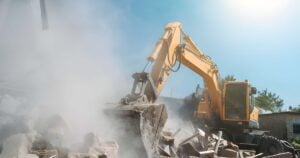
Construction sites generate substantial amounts of waste throughout every stage of a project. Demolition work, framing, roofing, flooring installation, drywall work, and finishing activities all contribute to debris accumulation.
As waste piles increase, crews may face challenges such as:
- Limited workspace
- Reduced accessibility to materials and tools
- Increased risk of accidents
- Delays caused by repeated cleanup efforts
- Difficulties meeting project deadlines
Construction garbage removal provides a practical solution by ensuring waste is removed regularly rather than allowing debris to build up throughout the project.
Why Site Organization Matters
Organization is one of the most important factors in construction productivity. Workers perform better when they have a clean, accessible environment that allows them to focus on their tasks.
When debris is scattered throughout a site, employees spend additional time navigating obstacles, moving waste out of the way, and searching for equipment. These small delays can add up significantly over the course of a project.
Professional junk removal services help maintain organized work areas by removing unwanted materials before they become a problem. A cleaner site allows crews to move efficiently between tasks and reduces unnecessary interruptions.
Improving Productivity Through Cleaner Workspaces
Productivity is directly connected to the condition of the job site. Construction teams work most efficiently when they have sufficient space to perform their duties safely and effectively.
Construction junk removal supports productivity in several ways:
First, workers can focus on their specialized tasks instead of spending valuable labor hours hauling debris.
Second, equipment and materials remain easier to locate, reducing downtime caused by disorganization.
Third, clean work zones allow multiple trades to operate simultaneously without interference from excessive waste.
By outsourcing waste removal to professionals, contractors can allocate labor resources toward activities that directly contribute to project completion.
Enhancing Job Site Safety
Safety remains a top priority on every construction project. Debris accumulation can create numerous hazards that place workers, visitors, and subcontractors at risk.
Common safety concerns associated with unmanaged construction waste include:
- Tripping hazards from scattered materials
- Sharp objects such as nails, screws, and metal fragments
- Blocked walkways and emergency exits
- Fire risks from combustible waste materials
- Reduced visibility around work zones
Routine construction garbage removal helps eliminate these hazards before they lead to accidents. A cleaner environment contributes to better compliance with safety standards and reduces the likelihood of workplace injuries.
When workers feel safe and can move freely throughout the site, overall efficiency naturally improves.
Supporting Faster Project Timelines
Meeting deadlines is critical in the construction industry. Delays can increase labor costs, affect subcontractor scheduling, and impact client satisfaction.
One overlooked cause of project slowdowns is waste accumulation. As debris builds up, crews often need to pause productive work to clear pathways or create additional space.
Professional junk removal services help prevent these interruptions by maintaining consistent waste management throughout the project lifecycle.
Regular removal schedules ensure debris never reaches levels that interfere with daily operations. As a result, construction teams can maintain momentum and stay focused on meeting key milestones.
Better Material Handling and Storage
Construction sites often contain large quantities of materials waiting to be installed. These materials require proper storage and protection to prevent damage and waste.
Excess debris can make storage areas difficult to access and increase the likelihood of misplaced or damaged materials.
Construction junk removal creates more usable space for organized material storage. With clearly designated areas, crews can quickly access the supplies they need and reduce delays associated with searching for materials.
Improved organization also minimizes the risk of accidental damage, helping contractors avoid unnecessary replacement costs.
Reducing Labor Costs
Many contractors underestimate the amount of labor devoted to site cleanup. Skilled workers are often required to spend time collecting, transporting, and disposing of waste when no dedicated removal solution is in place.
Every hour spent managing debris is an hour not spent on construction activities.
Junk removal services provide a cost-effective alternative by allowing trained crews to handle waste management tasks. This approach helps construction companies maximize labor efficiency while ensuring waste is removed promptly and professionally.
Over time, improved labor allocation can contribute to substantial cost savings.
Managing Large Volumes of Debris
Some projects generate waste at a much higher rate than others. Demolition work, major renovations, and commercial construction projects often produce significant amounts of debris daily.
Without proper planning, waste can quickly overwhelm available space.
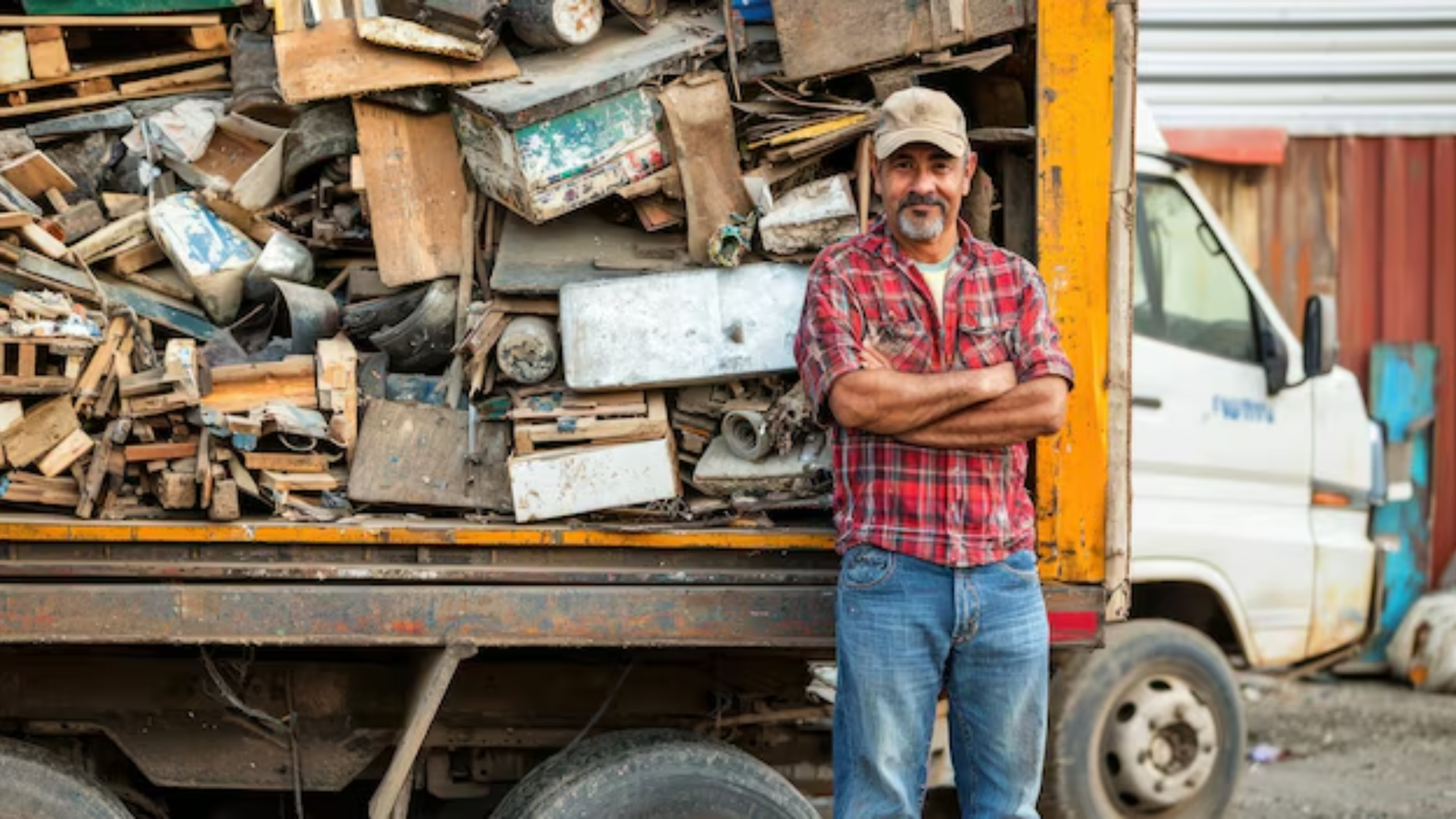
Construction junk removal companies have the equipment, vehicles, and manpower necessary to handle large volumes of material. They can remove debris efficiently and ensure waste is transported to appropriate disposal or recycling facilities.
This capability allows construction teams to maintain uninterrupted operations even during high-waste phases of a project.
Supporting Environmental Responsibility
Many construction companies are increasingly focused on sustainable building practices. Proper waste management plays an important role in achieving environmental goals.
Professional junk removal services often sort materials for recycling whenever possible. Common recyclable materials include:
- Metal
- Wood
- Concrete
- Cardboard
- Certain plastics
Responsible disposal practices help reduce landfill waste and support environmentally conscious construction operations.
Clients also appreciate contractors who demonstrate a commitment to sustainable project management, which can strengthen business reputation and future opportunities.
Improving Client Impressions
Construction sites are often visited by property owners, project managers, architects, inspectors, and investors. The condition of the site can influence their perception of the contractor’s professionalism.
A cluttered site may create concerns about organization, safety, and project management. On the other hand, a clean and orderly workspace demonstrates attention to detail and operational efficiency.
Regular construction garbage removal helps maintain a professional appearance throughout the project. This positive impression can enhance client confidence and contribute to stronger working relationships.
Simplifying Final Project Cleanup
As construction nears completion, final cleanup becomes a critical step before project handover. Excess debris left behind can delay inspections, occupancy approvals, and client acceptance.
Contractors who maintain ongoing junk removal throughout the project typically experience a smoother final cleanup process.
Instead of facing massive waste accumulation at the end of the job, crews can focus on finishing touches, detailed cleaning, and punch list items. This streamlined approach helps ensure projects are delivered on time and in excellent condition.
Choosing the Right Junk Removal Partner
Not all waste management providers offer the same level of service. Construction companies should look for junk removal services that understand the unique demands of active job sites.
Key considerations include:
- Experience with construction debris
- Flexible scheduling options
- Prompt response times
- Proper disposal and recycling practices
- Ability to handle large-scale projects
- Reliable equipment and transportation resources
Selecting the right provider can significantly improve project efficiency while reducing the burden on construction teams.
Conclusion
Construction projects operate most effectively when job sites remain clean, organized, and safe. Accumulated debris can slow productivity, increase safety risks, create scheduling challenges, and raise overall project costs. Professional junk removal services help eliminate these obstacles by providing consistent waste management throughout every phase of construction.
From improving site organization and worker efficiency to supporting safety compliance and environmental responsibility, construction junk removal delivers measurable benefits for contractors and remodelers. By investing in reliable construction garbage removal solutions, construction companies can maintain smoother operations, meet deadlines more consistently, and create a more productive work environment from start to finish.
Frequently Asked Questions
1. What are junk removal services in construction projects?
Junk removal services involve collecting, transporting, and disposing of construction debris generated during building, renovation, and demolition projects. These services help keep job sites organized and safe.
2. Why is construction junk removal important?
Construction junk removal helps prevent clutter, improve worker productivity, reduce safety hazards, and maintain efficient project workflows throughout the construction process.
3. How often should construction debris be removed?
The frequency depends on project size and waste volume. Many construction sites benefit from scheduled daily, weekly, or phase-based debris removal to maintain organization and productivity.
4. Can construction garbage removal help reduce project costs?
Yes. Professional waste removal allows skilled workers to focus on construction tasks instead of cleanup duties, improving labor efficiency and helping reduce overall project costs.
5. What types of materials are removed during construction junk removal?
Common materials include wood scraps, drywall, concrete, metal, packaging materials, roofing debris, flooring waste, and demolition materials generated during construction activities.
6. Do junk removal services recycle construction materials?
Many providers recycle eligible materials such as metal, wood, cardboard, and concrete whenever possible, helping support environmentally responsible construction practices.