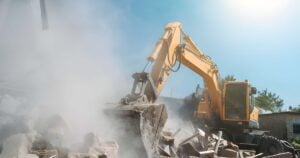
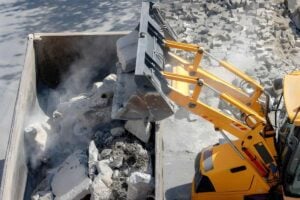
Large construction projects generate massive amounts of debris every day. From drywall scras and lumber to concrete, packaging, and metal waste, unmanaged debris can quickly create safety hazards, project delays, and higher operating costs. That is why effective construction trash hauling is essential for commercial contractors managing large-scale developments.
An organized waste handling strategy helps crews stay productive, keeps job sites compliant with regulations, and improves overall project efficiency. Whether you are managing a commercial build, industrial renovation, or multi-phase development, implementing the right hauling practices can make a major difference.
In this guide, we will cover the best practices for construction trash hauling on large projects and explain how professional junk removal solutions can support smoother operations from start to finish.
Why Construction Trash Hauling Matters on Large Projects
Construction sites produce significant volumes of waste throughout every stage of development. Without a structured hauling plan, debris can pile up quickly and interfere with daily operations.
Efficient construction trash hauling provides several important benefits:
Improves job site safety
Reduces trip and fire hazards
Keeps work areas organized
Supports OSHA compliance
Prevents workflow interruptions
Helps contractors meet project deadlines
Enhances environmental responsibility
Large commercial projects often involve multiple subcontractors working simultaneously. When debris is not removed consistently, productivity suffers. Workers spend more time navigating cluttered spaces instead of completing tasks efficiently.
Professional hauling services help contractors maintain clean, organized, and operational job sites at every stage of construction.
Create a Waste Management Plan Before Construction Begins
One of the most effective strategies for large-scale construction trash hauling is developing a detailed waste management plan before the project starts.
Your plan should include:
Types of expected construction debris
Estimated waste volume
Designated disposal zones
Hauling schedules
Recycling procedures
Safety protocols
Responsibilities for subcontractors
Planning ahead allows contractors to anticipate disposal needs and avoid costly disruptions later in the project.
For example, demolition phases often generate heavier materials such as concrete and metal, while finishing phases produce packaging and lightweight debris. Understanding these waste patterns helps teams schedule hauling services more efficiently.
A proactive waste management strategy also helps control project costs and prevents overflowing dumpsters or emergency pickups.
Schedule Regular Debris Removal
Waiting until debris piles up can create unnecessary risks and delays. Regular hauling schedules are critical for maintaining an efficient work environment.
Construction debris should be removed consistently throughout the project instead of only at the end. Daily or weekly hauling schedules are often ideal for large commercial builds.
Benefits of regular debris removal include:
Safer walkways and work zones
Better equipment accessibility
Faster workflow
Reduced liability risks
Improved subcontractor coordination
Consistent construction trash hauling also minimizes the chances of materials being damaged or mixed with hazardous waste.
Contractors who partner with experienced hauling providers can customize pickup frequencies based on project size and waste output.
Separate Materials for Recycling and Disposal
Sorting construction debris is one of the best ways to improve efficiency and sustainability on large projects.
Different materials should be separated into designated containers, including:
Wood
Metal
Concrete
Cardboard
Plastic
Drywall
General waste
Proper sorting reduces landfill waste and supports environmentally responsible construction practices.
Many commercial contractors now prioritize sustainable waste management because it can help meet green building standards and local environmental regulations.
Professional junk removal solutions often include recycling support, making it easier to divert reusable materials from landfills.
In addition, separating materials can lower disposal costs because recyclable items may qualify for reduced processing fees.
Use the Right Containers and Equipment
Large projects require appropriate waste containers and hauling equipment to handle debris efficiently.
Choosing the wrong dumpster size can create operational issues such as overflow, blocked access points, or unnecessary hauling expenses.
Common container options include:
Roll-Off Dumpsters
Ideal for heavy debris such as concrete, roofing materials, and demolition waste.
Front-Load Dumpsters
Suitable for ongoing waste collection during active construction phases.
Compactors
Helpful for reducing the volume of lightweight waste materials like cardboard and packaging.
The right equipment depends on project size, debris type, and hauling frequency.
An experienced construction trash hauling provider can recommend the best container setup for your site layout and waste volume.
Prioritize Job Site Safety
Safety should always remain a top priority during construction debris handling.
Improper waste disposal creates serious hazards, including:
Slips and falls
Sharp object injuries
Fire hazards
Equipment accidents
Blocked emergency exits
To improve safety:
Keep debris away from active work zones
Clearly label disposal containers
Train workers on waste handling procedures
Remove hazardous materials immediately
Maintain clear access routes
Consistent construction trash hauling helps crews work more safely and efficiently throughout the project lifecycle.
Contractors who maintain cleaner sites also create a more professional impression for clients, inspectors, and project stakeholders.
Partner With a Professional Hauling Company
Managing debris removal internally can become overwhelming on large projects. Partnering with a professional hauling company simplifies waste management and improves operational efficiency.
Experienced providers understand:
Construction site logistics
Local disposal regulations
Recycling requirements
Safe debris handling practices
Scheduling coordination
Professional junk removal solutions help contractors avoid costly mistakes while maintaining compliance with local waste disposal laws.
Reliable hauling companies also offer flexible scheduling options to accommodate changing project demands.
When searching for construction junk removal near me, contractors should look for companies with experience handling commercial-scale construction debris.
Key qualities to consider include:
Fast response times
Proper licensing and insurance
Large equipment capacity
Recycling capabilities
Transparent pricing
Commercial project experience
Working with the right hauling partner allows contractors to focus on construction progress instead of waste management challenges.
Monitor Waste Volume Throughout the Project
Waste output often changes during different construction phases. Monitoring debris volume helps contractors adjust hauling schedules and container capacity as needed.
Tracking waste generation can help:
Prevent overflow issues
Reduce unnecessary pickups
Improve budgeting accuracy
Optimize labor efficiency
For example, demolition phases may require more frequent hauling, while finishing stages may generate lighter packaging waste.
Reviewing hauling performance regularly ensures your waste management strategy remains efficient throughout the project timeline.
Stay Compliant With Local Regulations
Construction waste disposal regulations vary by location and project type. Failing to comply with local requirements can result in fines, delays, or legal issues.
Contractors should understand regulations involving:
Hazardous material disposal
Recycling mandates
Dumpster placement
Transportation permits
Environmental protection standards
Professional construction trash hauling providers are familiar with local regulations and help ensure proper disposal procedures are followed.
This reduces compliance risks and protects contractors from unnecessary penalties.
Improve Efficiency With Centralized Disposal Areas
Large construction sites benefit from designated waste collection zones.
Instead of allowing debris to accumulate throughout the property, centralized disposal areas help maintain organization and simplify hauling operations.
Benefits include:
Faster cleanup processes
Easier access for hauling trucks
Better material separation
Reduced worker travel time
Improved site organization
Clearly marked disposal stations also encourage workers to follow proper waste handling procedures.
Efficient site organization contributes directly to smoother project execution and fewer delays.
Invest in Sustainable Waste Practices
Sustainability has become increasingly important in commercial construction.
Many clients and developers now expect contractors to reduce landfill waste and implement environmentally responsible practices.
Sustainable construction trash hauling strategies may include:
Recycling concrete and metal
Reusing salvageable materials
Donating unused supplies
Reducing packaging waste
Partnering with eco-conscious hauling providers
These efforts not only support environmental goals but can also improve a contractor’s reputation and competitiveness in the industry.
Conclusion
Effective construction trash hauling is essential for maintaining safety, productivity, and efficiency on large commercial projects. Without a structured waste management strategy, debris can quickly disrupt workflows, create hazards, and increase project costs.
Commercial contractors who implement regular hauling schedules, proper material separation, centralized disposal zones, and professional junk removal solutions can keep projects running smoothly from start to finish.
Partnering with experienced hauling professionals also helps contractors maintain compliance, improve sustainability efforts, and reduce operational stress.
For large-scale construction projects, organized debris removal is not just a cleanup task. It is a critical part of successful project management.
If you are looking for reliable construction trash hauling services for your next commercial project, contact Best Super Cleaning today for efficient and professional waste removal solutions.
Frequently Asked Questions
Construction trash hauling involves the collection, transportation, and disposal of debris generated during construction, demolition, or renovation projects.
It helps maintain job site safety, improves efficiency, reduces delays, and ensures compliance with local waste disposal regulations.
Large construction sites often benefit from daily or weekly debris removal schedules depending on waste volume and project phases.
Common recyclable materials include wood, concrete, metal, cardboard, drywall, and certain plastics.
Look for companies with commercial project experience, proper licensing, flexible scheduling, recycling capabilities, and reliable customer service.
Local hauling providers can often offer faster response times, better scheduling flexibility, and knowledge of regional disposal regulations.